PMTA and Caffeine Pouches: What Distributors Should Know
Key Takeaways
- PMTA is a U.S. pathway for new tobacco products, not a universal product approval system.
- A zero-nicotine claim does not answer every food, supplement, labeling, tax, or age-rule question.
- Distributors should document product classification market by market.
Quick Answer
The Premarket Tobacco Product Application, or PMTA, is part of the U.S. framework for new tobacco products. It should not be presented as a worldwide approval system or as the only compliance question facing a pouch distributor.
The first step is to identify what the product contains and how it is classified in the target market. For a broader jurisdiction-by-jurisdiction workflow, use the caffeine pouch rules guide for retailers.
What PMTA Covers in the United States
FDA describes the tobacco product marketing pathway for products that meet the U.S. statutory definition of a tobacco product. Nicotine pouches can fall inside that framework. A caffeine pouch that contains zero nicotine should not be described as a nicotine pouch, but its exact regulatory treatment still depends on formulation, claims, labeling, and applicable federal and state rules.
Do not turn a product distinction into an absolute claim such as “no regulation,” “no age check,” or “no tax.” Those conclusions require a current review of the product and the jurisdiction.
Build a Product Classification File
- Ingredient list and caffeine amount per pouch.
- Current package, warnings, and intended-use language.
- Manufacturer and responsible business contact details.
- Market-specific legal or regulatory review where required.
- Lot, traceability, complaint, and recall procedures.
The supplier evaluation checklist explains how to request operational evidence without relying on marketing superlatives.
Keep Tobacco and Caffeine Workflows Separate
Retail teams should not copy tobacco-category assumptions onto a caffeine product or copy food-category assumptions onto every pouch. Use separate SKU records, staff notes, and compliance checkpoints. If a business sells across borders, repeat the review for each destination market.
Commercial planning can continue after classification is documented. The wholesale buyer’s guide focuses on format, handling, assortment, and buyer questions rather than making legal promises.
Questions to Ask Before Listing
- What ingredients and caffeine amount appear on the final package?
- What claims are being made in the target market?
- Which authority or adviser supports the proposed classification?
- What sales, age, tax, labeling, and import checks apply locally?
- How will the supplier notify buyers if requirements change?
When the documentation is complete, buyers can contact STATERA wholesale for current product and order information. A sales conversation is not a substitute for local compliance review.
Frequently Asked Questions
Does PMTA apply to every pouch product?
No. PMTA is a U.S. tobacco-product pathway. Classification depends on the product, its ingredients, claims, and applicable law.
Does zero nicotine mean a pouch is unregulated?
No. Zero nicotine describes an ingredient characteristic. Other federal, state, national, or local requirements may still apply.
Can a distributor rely on a supplier’s website statement?
A website can start a conversation, but buyers should request current documentation and obtain qualified market-specific advice where needed.
Sources and Further Reading
STATERA Editorial Team
—Content StrategyThe STATERA Editorial Team brings you insights on energy innovation, market trends, and wellness strategies for modern retailers and consumers.
Related Articles
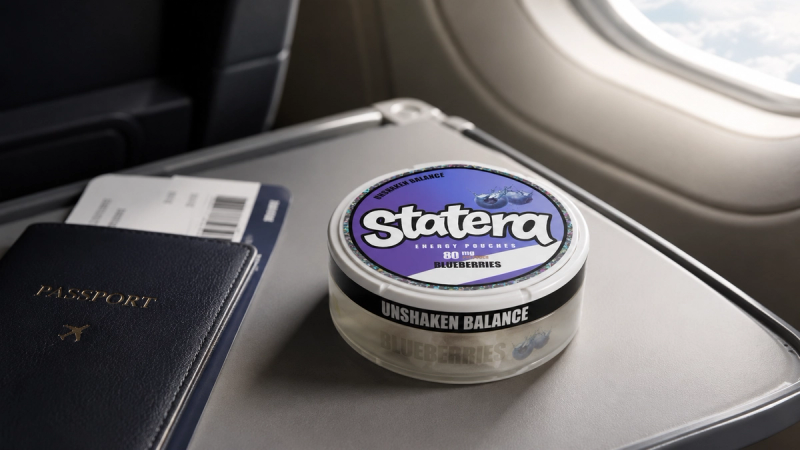
Can You Bring Caffeine Pouches on a Plane?
A practical adult travel guide to packing caffeine pouches, checking airline and destination rules, and keeping total caffeine intake visible while flying.
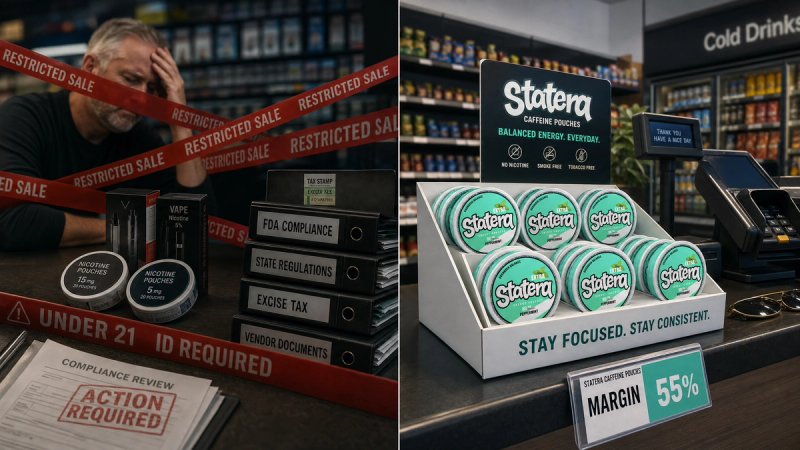
Caffeine Pouch Rules for Retailers: What Varies by Market
A practical framework for checking how caffeine and nicotine pouch rules differ across markets without relying on universal claims about age limits, taxes, or legality.

Why Energy Drinks Can Lead to an Afternoon Crash
An evidence-aware explanation of afternoon fatigue that separates caffeine, sugar, sleep, meals, hydration, and individual sensitivity instead of blaming one drink.