What Does 120mg of Caffeine Feel Like? A Practical Guide for Adults
Key Takeaways
- A labeled amount cannot predict the same experience for every adult.
- One 120mg pouch contains 50% more caffeine than one 80mg pouch.
- Caffeine from every source should be included in the daily total.
A number on a label cannot predict exactly how caffeine will feel. For some adults, 120mg may produce a noticeable increase in alertness and reduced sleepiness. For others, especially people with lower caffeine tolerance, the same amount may feel too strong or contribute to jitters, restlessness or difficulty sleeping.
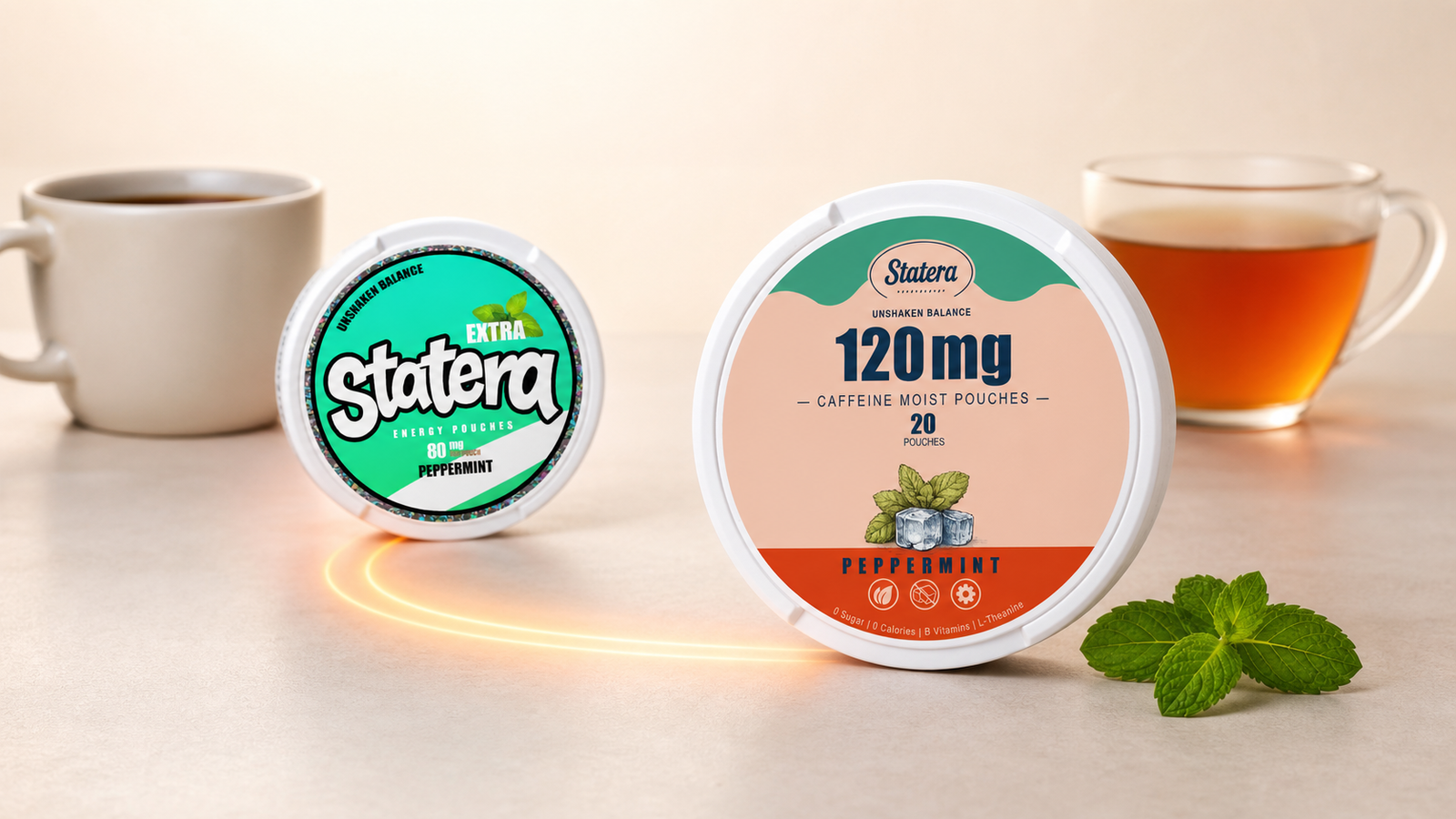
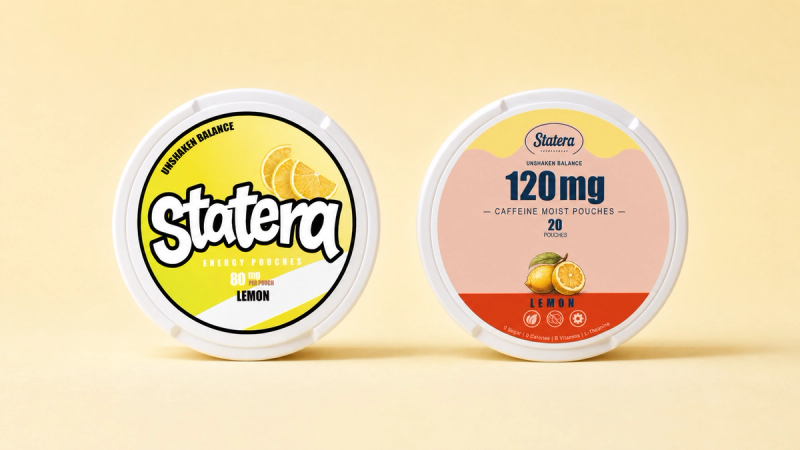
One STATERA 120mg pouch contains 40mg more caffeine than the 80mg original line. That makes it a 50% increase in caffeine per pouch, so strength should be considered before flavor or format.
Quick Answer
What does 120mg of caffeine feel like? For an adult who already knows their caffeine tolerance, it may feel like a noticeable level of stimulation. Possible experiences include:
- Feeling more awake or alert
- Reduced feelings of sleepiness
- A more noticeable effect than an 80mg pouch
- Restlessness, jitters or anxiety if the amount is too strong for the individual
- Sleep disruption when used too close to bedtime
These are possibilities, not guarantees. Caffeine cannot promise focus, productivity or the absence of a later energy dip.
Start with one 120mg pouch and consider caffeine from every source used that day, including coffee, tea, energy drinks, supplements and medications.
Is 120mg of Caffeine a Lot?
There is no single answer that applies to every adult. However, comparisons can make the number easier to understand.
120mg vs 80mg STATERA Pouches
The numerical difference is straightforward:
- One original-strength pouch: 80mg
- One stronger pouch: 120mg
- Difference: 40mg
- Percentage increase: 50% more caffeine per pouch
Someone comfortable with the original 80mg line should not assume that 120mg will feel identical. The stronger format is designed to be a separate strength choice, not simply another flavor option.
For a more detailed product comparison, read 80mg vs 120mg Caffeine Pouches: Which STATERA Strength Fits Your Routine?
120mg vs Coffee, Tea and Energy Drinks
According to the FDA's caffeine overview, typical caffeine amounts in 12-fluid-ounce drinks include:
- Black tea: about 71mg
- Regular brewed coffee: approximately 113–247mg
- Energy drinks: approximately 41–246mg
This places 120mg within the broad caffeine range of a 12-ounce brewed coffee and above the FDA's typical figure for the same volume of black tea. Beverage size, preparation and brand can change these numbers substantially.
Comparing milligrams is useful, but it does not mean a pouch and a drink will produce an identical experience. They are different formats, and personal response still matters.
What 120mg May Feel Like
The European Food Safety Authority explains that caffeine stimulates the central nervous system and, at moderate amounts, can increase alertness and reduce sleepiness.
That does not mean every adult will notice the same effect. A person with regular caffeine habits may experience 120mg differently from someone who rarely consumes caffeine.
Possible Intended Sensations
An adult who tolerates caffeine may notice:
- Greater wakefulness
- Less perceived sleepiness
- A more pronounced effect than with an 80mg pouch
The strength and duration of those sensations cannot be guaranteed. Caffeine also does not replace sleep, hydration, food or recovery.
Signs the Amount May Be Too Strong
The FDA lists possible signs of consuming too much caffeine, including:
- Jitters
- Anxiety
- Upset stomach or nausea
- Headache
- Increased heart rate or palpitations
- Insomnia or other sleep disruption
These symptoms do not occur in every adult, and their presence or intensity varies. If a reaction is significant or concerning, stop using the product and seek appropriate professional advice.
Why the Same 120mg Can Feel Different
Existing Caffeine Tolerance
Adults who regularly consume coffee, tea or other caffeinated products may respond differently from adults who consume caffeine only occasionally.
Tolerance should not be treated as permission to ignore the amount on the label. It remains important to count total intake.
Other Caffeine Used That Day
A pouch is only one part of the daily total. Coffee at breakfast, tea at lunch, an energy drink, workout supplements or some medications can all contribute caffeine.
The FDA emphasizes considering caffeine from all sources, rather than evaluating each product separately.
Time of Day
Timing matters even when the same amount is used. EFSA notes that a single 100mg dose may affect sleep duration and sleep patterns in some adults when consumed close to bedtime.
Because 120mg exceeds that amount, adults concerned about sleep should consider timing rather than looking only at the daily total.
Individual Sensitivity and Personal Circumstances
Body weight, individual sensitivity, certain health conditions and some medications can affect how caffeine is experienced. Pregnancy and breastfeeding also require separate consideration.
Population-level guidance cannot determine the right amount for one person. Adults with questions about a medical condition, medication or pregnancy should consult a qualified healthcare professional.
A Practical One-Pouch Checklist
A simple process can make a stronger caffeine format easier to evaluate.
- Start with one pouch. Do not assume that experience with 80mg automatically predicts the response to 120mg.
- Read and follow the product directions. Do not add another pouch automatically because the effect is not what you expected.
- Count caffeine from every source. Include coffee, tea, energy drinks, supplements and relevant medications.
- Consider the time of day. A daily total does not show how late caffeine was consumed.
- Pay attention to your response. More caffeine is not automatically more useful.
- Do not use 400mg as a target. It is a general reference for most adults, not a recommended daily goal.
How the Numbers Add Up
For simple arithmetic:
- One 120mg pouch: 120mg
- Two 120mg pouches: 240mg
- Three 120mg pouches: 360mg
That total does not include coffee, tea, energy drinks or other caffeine sources. These examples are for intake tracking, not a recommendation to use multiple pouches.
The FDA cites 400mg per day as an amount not generally associated with negative effects for most adults. EFSA similarly reports that intake up to 400mg throughout the day does not raise safety concerns for the general healthy adult population, except during pregnancy.
Neither organization presents 400mg as a target, and unwanted effects may occur at lower amounts depending on individual sensitivity.
Frequently Asked Questions
Is 120mg of caffeine considered strong?
It is stronger than STATERA's original 80mg line. One 120mg pouch contains 40mg more caffeine, which is a 50% increase per pouch. Whether it feels strong depends on the adult's existing tolerance, sensitivity, timing and other caffeine intake.
Is 120mg of caffeine more than a cup of coffee?
It depends on the coffee and serving size. The FDA lists approximately 113–247mg for a typical 12-ounce brewed coffee, placing 120mg near the lower end of that broad range. Coffee caffeine levels vary considerably.
Will 120mg always improve focus?
No. Caffeine may increase alertness and reduce sleepiness, but focus, concentration and productivity still vary. Sleep, stress, food, hydration and individual response also influence how someone feels.
Can 120mg prevent a later energy dip?
No fixed outcome applies to every adult. Individual response, sleep, diet, timing and total caffeine consumption can all affect how someone feels later.
Can I combine a 120mg pouch with coffee?
The important calculation is total caffeine from all sources. A 120mg pouch plus the FDA's typical 12-ounce brewed coffee range would equal approximately 233–367mg, before including any other caffeine.
That calculation is not a personal recommendation. Adults should consider their own sensitivity, product directions and professional guidance where appropriate.
Is 120mg suitable for someone new to caffeine pouches?
There is no universal starting strength. Because 120mg is stronger than the original 80mg line, adults who are new to caffeine pouches or sensitive to caffeine should compare both strengths carefully rather than choosing solely by flavor.
Read the STATERA strength comparison guide before deciding.
The Bottom Line
For many adults, 120mg may feel like a noticeable amount of caffeine. It may increase alertness and reduce sleepiness, but it may also feel too strong for someone with lower tolerance or higher sensitivity.
One 120mg pouch is stronger than the 80mg original line, so start with one pouch and consider total daily caffeine intake. Pay attention to timing, other caffeine sources and your own response rather than relying on universal promises.
Learn more about the stronger format in Introducing STATERA 120mg Caffeine Pouches, or compare the available profiles in the STATERA 120mg flavor guide.
Product note: STATERA caffeine pouches contain caffeine and are intended for adults only. They contain no nicotine. Not recommended for children, people who are pregnant or nursing, or individuals sensitive to caffeine. This article provides general product education and is not medical advice.
STATERA Editorial Team
—Content StrategyThe STATERA Editorial Team brings you insights on energy innovation, market trends, and wellness strategies for modern retailers and consumers.
Related Articles
Why 20-Count Cans Make Sense for Daily Caffeine Pouch Users
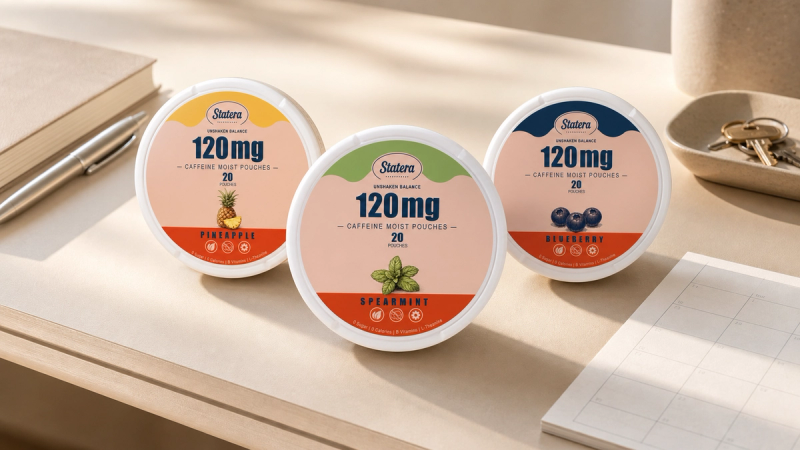
A practical look at why 20-count caffeine pouch cans suit organized adult routines without turning package quantity into a usage schedule.
How to Choose a STATERA 120mg Caffeine Pouch Flavor
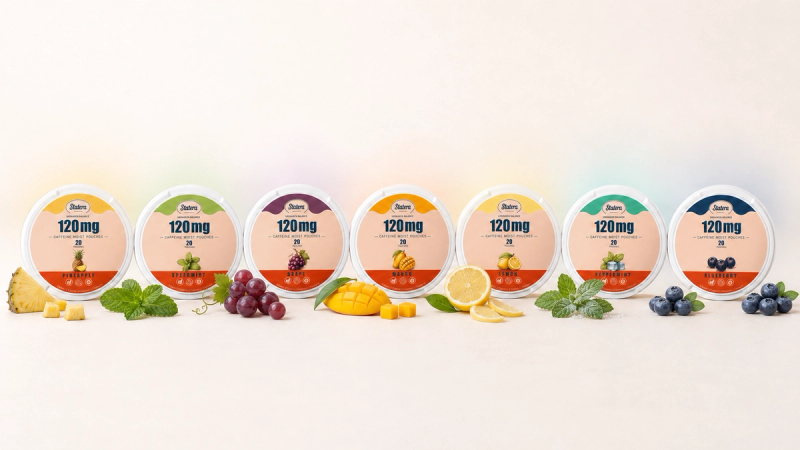
Compare Pineapple, Spearmint, Grape, Mango, Lemon, Peppermint, and Blueberry across STATERA’s listed 120mg caffeine pouch range.
80mg vs 120mg Caffeine Pouches: Which Strength Fits?
Compare STATERA 80mg vs 120mg caffeine pouches by strength, flavor, routine, and total caffeine so you can choose the right fit responsibly.