
Caffeine Pouches vs Energy Drinks: What the Evidence Shows
Key Takeaways
- Both formats can contribute to the same total caffeine intake.
- A 2025 oral-spray study did not find faster blood-caffeine increase than beverages.
- Product-specific speed and performance claims require matching evidence.
Quick Answer
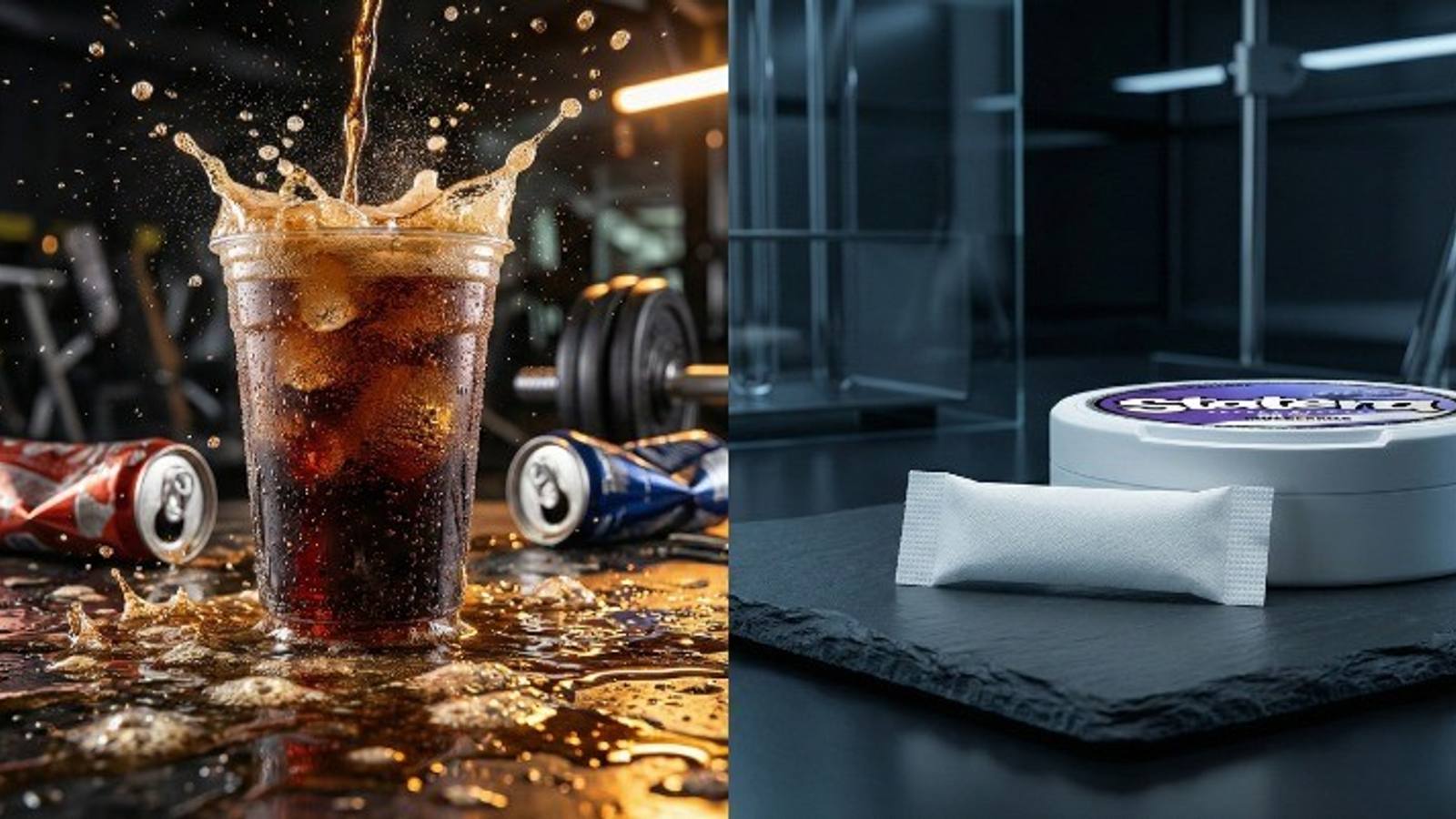
Caffeine pouches and energy drinks both deliver caffeine, but the format, serving, ingredients, and use experience differ. Current evidence does not support a blanket claim that every oral caffeine product raises blood caffeine faster than beverages.
Adults comparing strengths can use the 80mg vs 120mg caffeine pouch guide and should add every caffeine source consumed that day.
Start With Labeled Caffeine
Compare milligrams per stated serving, servings per container, and how many servings are actually used. Energy drink containers vary, and caffeine pouches vary. A smaller package does not mean a smaller caffeine amount.
The 120mg caffeine experience guide explains individual variability without promising a standard feeling.
What the Human Study Can Tell Us
A 2025 randomized crossover study compared caffeine oral spray, coffee, and an energy drink. The oral spray did not accelerate the increase in blood caffeine compared with the beverages. The study did not test STATERA pouches, so the result cannot prove a STATERA-specific rate.
For a deeper explanation of delivery routes and claim quality, read how caffeine pouches deliver caffeine.
Compare Ingredients and Format Separately
Energy drinks can include sugar, sweeteners, vitamins, amino acids, or other ingredients. Pouch formulations also differ. Compare the actual labels rather than attributing one formulation to an entire category.
A drink supplies fluid and requires a container. A pouch does not provide hydration and must be used and disposed of according to the label. Neither difference establishes a medical benefit.
Make a Responsible Adult Choice
Consider total caffeine, individual sensitivity, medication, health conditions, pregnancy, time of day, planned sleep, and the task being performed. Caffeine does not make fatigued driving or hazardous work safe.
Adults new to pouches can review the caffeine pouch beginner’s guide before browsing current products.
Frequently Asked Questions
Are caffeine pouches proven to work faster than energy drinks?
No blanket claim is supported. Product-specific evidence is required, and a 2025 oral-spray comparison did not find faster blood-caffeine increase than the beverages tested.
Do caffeine pouches bypass the stomach?
That should not be claimed as a complete process. During oral use, some absorption may occur through oral tissues and some material may be swallowed.
Are pouches better because they contain zero sugar?
Zero sugar is a product fact, not a universal health conclusion. Compare the full label, total caffeine, individual circumstances, and intended use.
Sources and Further Reading
STATERA Editorial Team
—Content StrategyThe STATERA Editorial Team brings you insights on energy innovation, market trends, and wellness strategies for modern retailers and consumers.
Related Articles
From Snus to Caffeine Pouches: How the Format Evolved
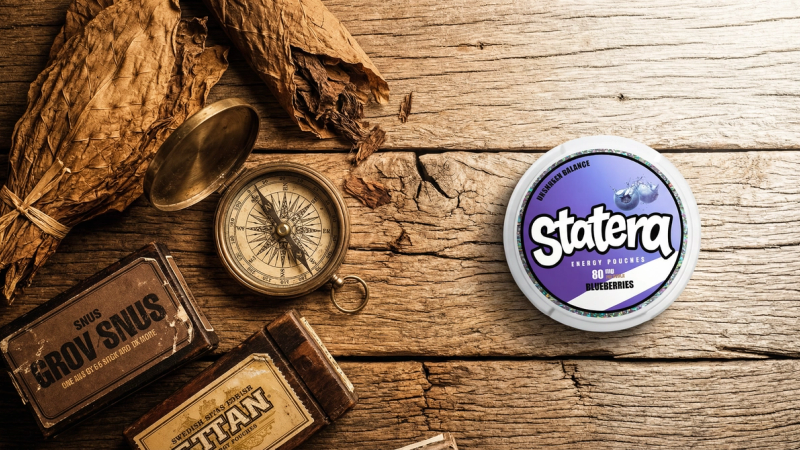
A careful overview of how oral pouch formats expanded from tobacco snus to tobacco-free nicotine pouches and zero-nicotine caffeine pouches without merging their rules.
What Are Caffeine Pouches? An Adult Beginner’s Guide
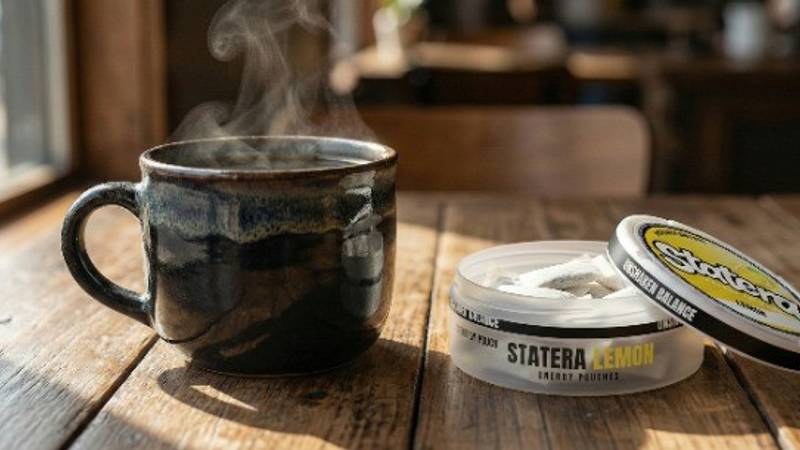
A practical adult guide to what caffeine pouches are, how to use and dispose of them, how labeled strength differs, and why total caffeine intake matters.
Building a Broader Adult Retail Mix Beyond Vape Products
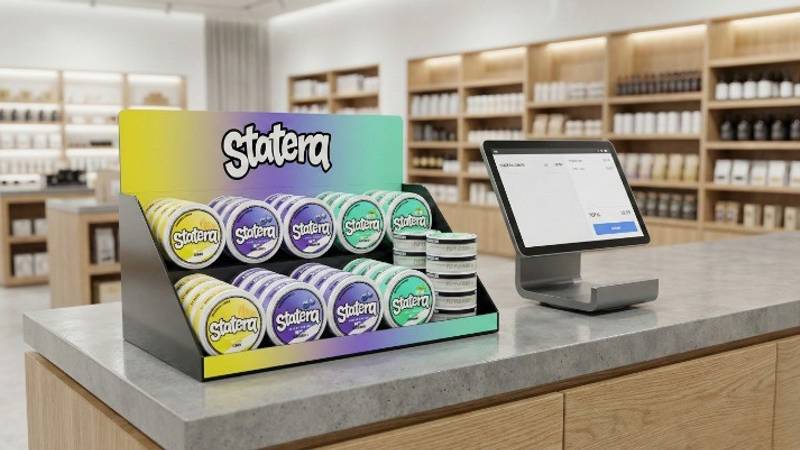
A category diversification framework for adult specialty retailers using customer missions, compliance, assortment roles, small tests, supplier evidence, and portfolio data.