
How to Store Caffeine Pouches for Wholesale
Key Takeaways
- Use the current product label and specification for storage conditions.
- Track lot, expiry, receipt, release, and customer shipment records.
- Do not invent a universal caffeine pouch shelf life.
Quick Answer
Store caffeine pouches according to the current product label and supplier specification. Protect packages from conditions that can damage product quality, track every lot and expiry date, and rotate inventory using the earliest-expiry-first principle where appropriate.
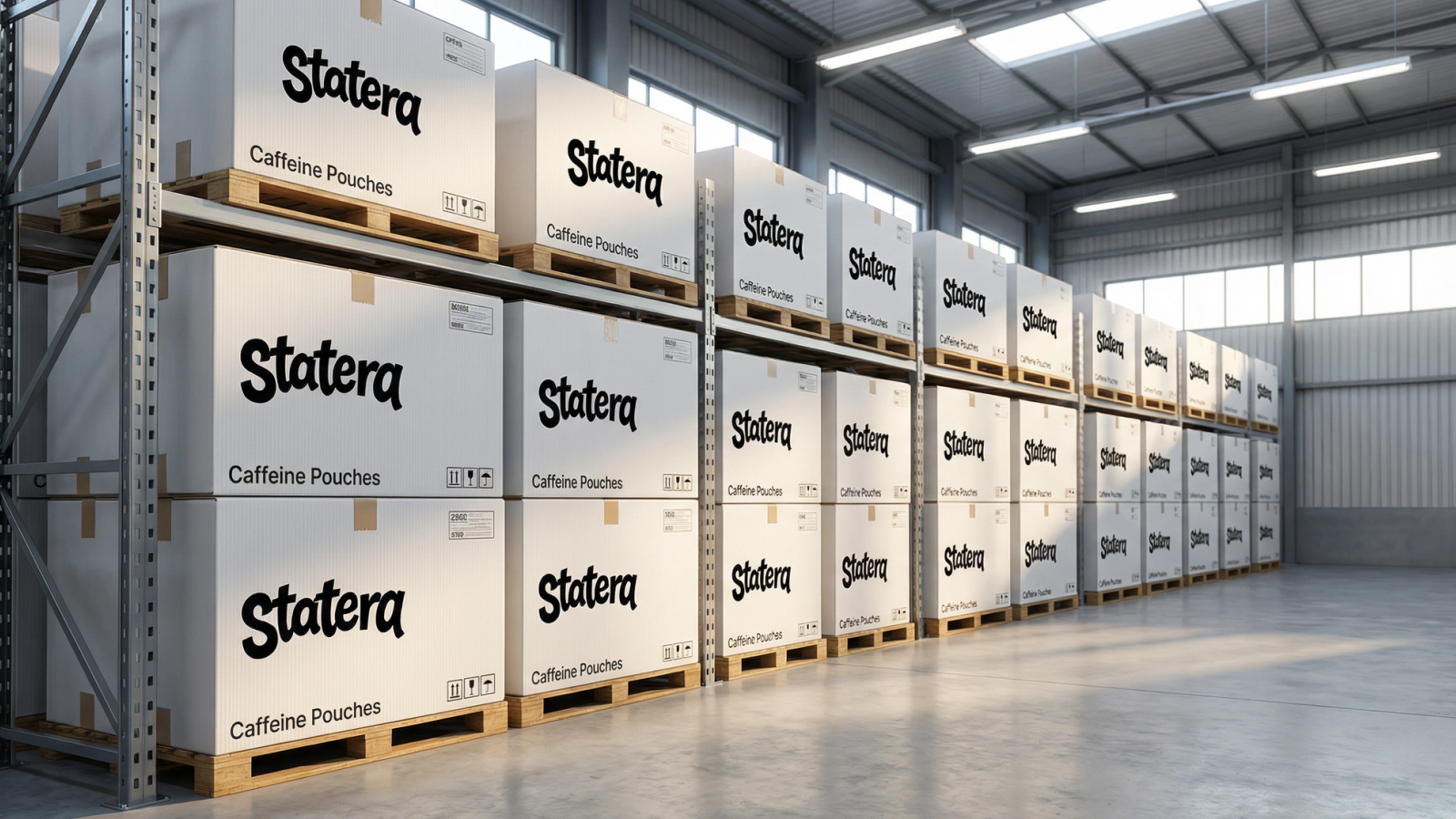
Packaging affects handling. Read why STATERA uses 20-count cans, then use the actual case and storage specification for warehouse planning.
Build the Storage Standard From Current Documents
Keep the final label, product specification, case configuration, and supplier contact with the SKU record. When instructions differ between products or markets, follow the applicable document rather than a general blog statement.
The supplier evaluation checklist shows which records and change notices to request before the first order.
Control Lots, Expiry, and Package Condition
- Record SKU, lot, quantity, expiry, receipt date, and storage location.
- Inspect cases and retail packages for damage, moisture, tampering, or contamination.
- Quarantine questionable stock and document the decision.
- Pick the earliest suitable expiry first unless another approved rule applies.
- Keep shipment records that connect customer orders to lots.
Do not relabel, repackage, or extend an expiry date without an authorized, documented process. A visually acceptable can is not enough to override lot or expiry controls.
Manage Warehouse and Transport Conditions
Use clean, dry, secure storage and monitor the conditions specified for the product. Avoid direct sunlight, uncontrolled heat, water exposure, pests, strong odors, and loads that can crush the package.
The wholesale buyer’s guide compares format and handling considerations, but the product specification remains the source for exact conditions.
Handle Deviations and Customer Questions
Define who decides whether stock exposed to an excursion can be released. Record the affected lot, duration, observed condition, supplier advice, disposition, and customers involved. Preserve samples or photos when useful.
Current product information is available through the STATERA product collection. Wholesale buyers should request the relevant case and storage documents for their order.
Frequently Asked Questions
What is the shelf life of caffeine pouches?
Use the expiry date and storage instructions for the specific product and lot. A universal shelf-life number should not be assumed.
Should caffeine pouches be refrigerated?
Follow the current label and supplier specification. Do not add refrigeration or room-temperature claims without product-specific instructions.
What should happen to damaged cans?
Segregate them from sellable stock, record the lot and damage, follow the supplier or quality process, and do not ship questionable packages.
STATERA Editorial Team
—Content StrategyThe STATERA Editorial Team brings you insights on energy innovation, market trends, and wellness strategies for modern retailers and consumers.
Related Articles

How to Evaluate a Reliable Caffeine Pouch Supplier
A due-diligence checklist for caffeine pouch buyers covering product files, quality processes, lead times, order accuracy, traceability, communication, and continuity.
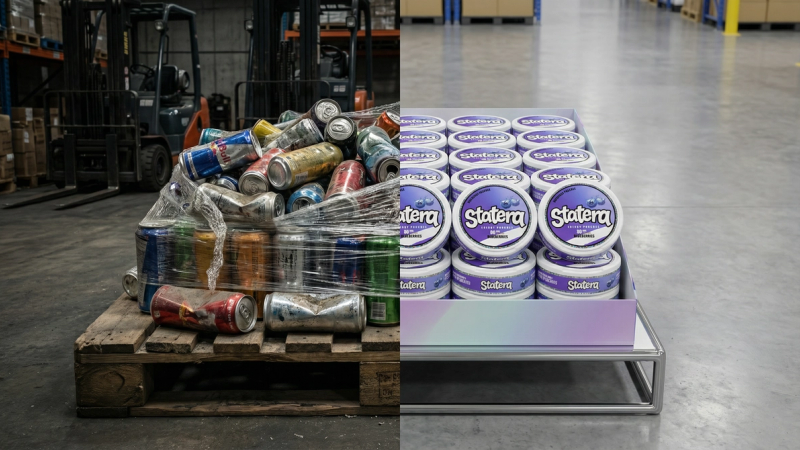
Caffeine Pouches vs Energy Drinks: Wholesale Buyer’s Guide
A wholesale comparison of caffeine pouches and energy drinks covering format, refrigeration, shelf footprint, assortment, label education, and buyer due diligence.
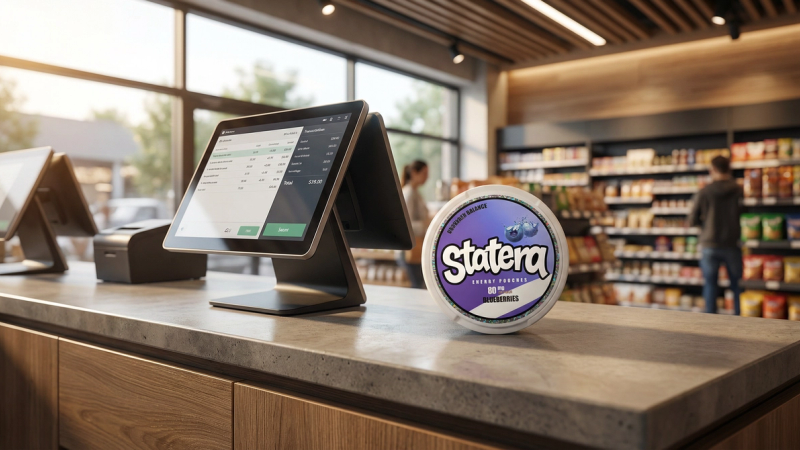
Wholesale Energy Pouches: A Retail Margin Checklist
A transparent margin framework for wholesale energy pouches using net selling price, landed cost, discounts, shrink, inventory age, support costs, and scenario testing.