
Wholesale Energy Pouches: A Retail Margin Checklist
Key Takeaways
- Margin should be calculated from a buyer’s actual landed cost and net price.
- Inventory age, shrink, returns, and support costs affect the result.
- Scenario ranges are more useful than a promised industry margin.
Quick Answer
Retail gross margin begins with net selling price minus landed product cost. A useful decision also accounts for discounts, freight, duties, shrink, returns, inventory holding, staff time, and promotional support.
Use the mid-year wholesale review to connect unit economics with wider portfolio and service data.
Define the Numbers Before Calculating
- Net selling price after discounts and promotions.
- Invoice cost plus freight, duty, brokerage, and receiving cost.
- Expected shrink, damage, returns, and credit notes.
- Inventory carrying cost and markdown risk.
- Staff, display, sampling, and other support costs.
State whether a result is a dollar contribution, gross margin percentage, markup, or profit after operating expense. These measures answer different questions and should not be used interchangeably.
Use a Simple, Transparent Formula
Gross profit per unit equals net selling price minus landed unit cost. Gross margin percentage equals gross profit divided by net selling price. This starting point does not include every store expense, so the buyer should add the costs relevant to its decision.
Package and freight assumptions can be checked against the caffeine pouch logistics comparison.
Test More Than One Sales Scenario
Model expected, slower, and faster sell-through. Include the effect of stockouts, excess stock, discounts, and replenishment. A product with an attractive unit margin can still underperform if inventory sits too long or service levels are poor.
Use the 20-count can explanation for package context, then enter the actual case pack and order terms.
Document the Buying Decision
Record the data source, date, assumptions, decision owner, review date, and the conditions that would change the decision. Keep a supplier quote separate from an editorial estimate.
Retailers can request current product and commercial information through STATERA wholesale. The final margin remains the buyer’s calculation.
Frequently Asked Questions
What is the average margin on caffeine pouches?
No verified universal average should be applied to every market or account. Calculate the result from current net price, landed cost, discounts, and operating conditions.
Is markup the same as margin?
No. Markup compares profit with cost, while gross margin compares profit with selling price. Label the measure clearly.
Should shelf space be included in the calculation?
It can be included when it is relevant to the retailer. Use the retailer’s own method for space, refrigeration, labor, and opportunity cost.
STATERA Editorial Team
—Content StrategyThe STATERA Editorial Team brings you insights on energy innovation, market trends, and wellness strategies for modern retailers and consumers.
Related Articles
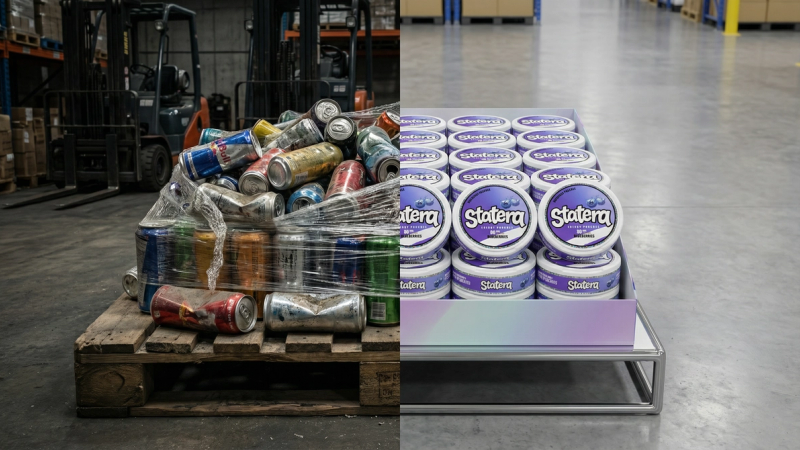
Caffeine Pouches vs Energy Drinks: Wholesale Buyer’s Guide
A wholesale comparison of caffeine pouches and energy drinks covering format, refrigeration, shelf footprint, assortment, label education, and buyer due diligence.

Caffeine Planning for Adult Night-Shift Workers
A safety-first guide to caffeine timing for adult night-shift workers that prioritizes sleep, breaks, fatigue controls, label awareness, and professional medical advice.

From Snus to Caffeine Pouches: How the Format Evolved
A careful overview of how oral pouch formats expanded from tobacco snus to tobacco-free nicotine pouches and zero-nicotine caffeine pouches without merging their rules.