
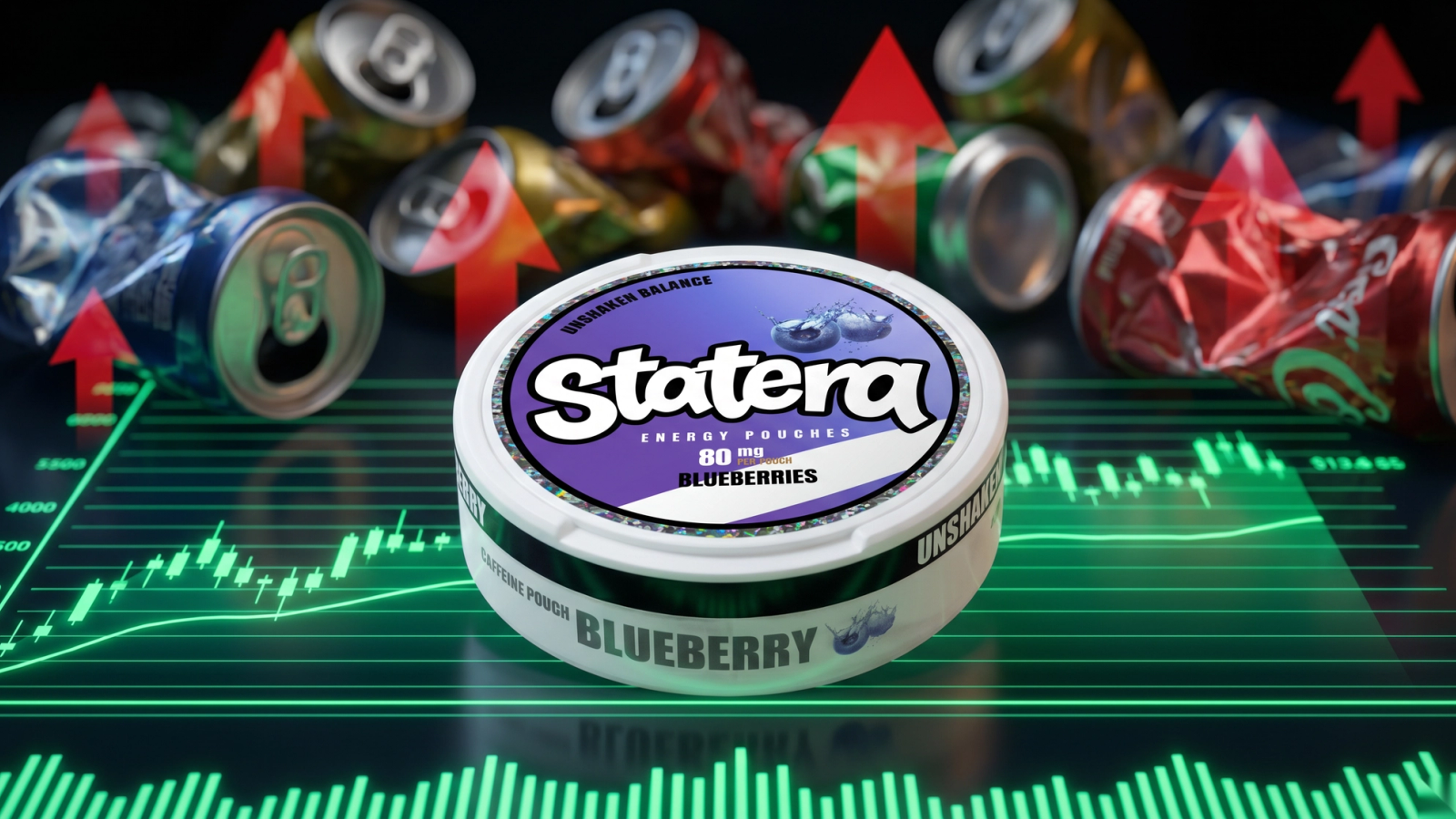
Caffeine Pouch Logistics vs Canned Energy Drinks
Key Takeaways
- Compact pouches and canned drinks create different handling costs.
- Neither format is automatically protected from inflation or freight changes.
- Buyers should calculate delivered cost with their own route and storage data.
Quick Answer
Caffeine pouches and canned energy drinks have different freight, storage, and merchandising profiles. Pouches are compact and do not need beverage refrigeration, while cans provide a familiar ready-to-drink format. Neither category is insulated from raw-material, labor, transport, currency, or tax changes.
Use the wholesale buyer’s guide for assortment questions, then build a delivered-cost model using the buyer’s own route and store data.
Compare the Complete Delivered Cost
- Unit and case purchase price after discounts.
- Inbound freight, duties, brokerage, and handling.
- Warehouse space, pick time, and damage allowance.
- Store refrigeration, shelf, or counter space.
- Expiry, returns, shrink, and promotional support.
The correct comparison is not pouch price versus can price in isolation. It is the total cost to place a sellable unit in the intended store and keep it available through the expected sales cycle.
Understand Package Footprint and Handling
A 20-count can groups individually portioned pouches into one compact retail unit. Read why STATERA uses 20-count cans for the format rationale, then confirm actual case dimensions and weights with the supplier.
Canned beverages are heavier and may require refrigerated display, but they can also fit established beverage planograms and shopper habits. A good model records both the cost and the commercial value of the format.
Stress-Test the Assumptions
Run scenarios for freight increases, slower sell-through, delayed replenishment, currency movement, and different store volumes. Do not label a product “inflation-proof” because one scenario looks favorable.
Use the supplier evaluation checklist to confirm lead times, case packs, documentation, and change-notification processes before those numbers enter the model.
Choose the Format by Channel
A convenience store, gym, specialty retailer, workplace canteen, and online seller can value footprint and refrigeration differently. Test the format against the actual shopping mission and local compliance requirements.
For current product and case information, contact STATERA wholesale. Ask for dated specifications rather than carrying assumptions from an older price sheet into a new buying cycle.
Frequently Asked Questions
Are caffeine pouches cheaper to ship than energy drinks?
They are generally more compact and lighter than an equivalent number of beverage units, but the delivered-cost result depends on case packs, route, duties, order size, and negotiated freight.
Do caffeine pouches need refrigeration?
Follow the product label and supplier storage instructions. They are not ready-to-drink beverages, but buyers still need suitable temperature, moisture, lot, and expiry controls.
Can a logistics comparison predict margin?
It can provide cost inputs. Actual margin also depends on selling price, discounts, sell-through, shrink, returns, tax, and store operating costs.
STATERA Editorial Team
—Content StrategyThe STATERA Editorial Team brings you insights on energy innovation, market trends, and wellness strategies for modern retailers and consumers.
Related Articles
Caffeine Pouches at the Counter: A Retail Merchandising Guide
A practical guide to testing caffeine pouch placement at an adult-oriented retail counter without promising that one category will replace vape revenue or predetermine margin.
Coffee vs Caffeine Pouches: A Practical Format Comparison
Compare coffee and caffeine pouches by serving visibility, sugar choices, portability, routine, and total caffeine without making unsupported stomach or absorption claims.
How Caffeine Pouches Deliver Caffeine: What Evidence Shows
A careful review of oral caffeine delivery, what blood-caffeine research can and cannot establish, and why product-specific speed or performance claims need evidence.