
Caffeine Pouches at the Counter: A Retail Merchandising Guide
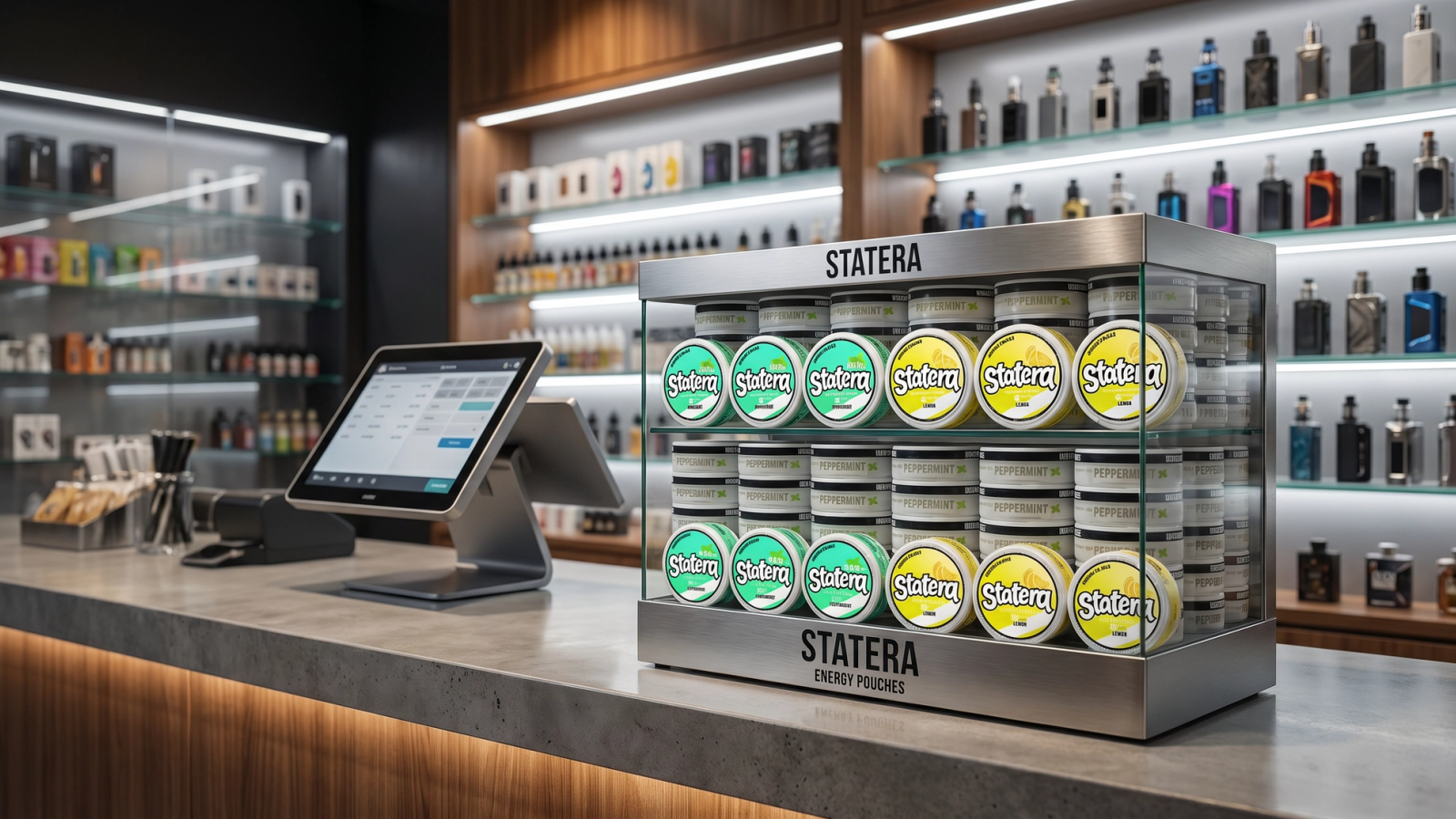
Key Takeaways
- Counter placement should be tested, not treated as a predetermined revenue result.
- Strength, caffeine, price, and zero-nicotine information must be clear.
- Measure conversion, repeat purchase, returns, and staff questions together.
Quick Answer
Caffeine pouches can be tested at a checkout or service counter because the package is compact and the category may need explanation. Placement alone does not prove that the product will replace vape revenue, produce a particular margin, or fit every store.
Use a short, measurable trial. The broader convenience-store shelf tradeoff guide can help decide whether the counter is the right location.
Define the Customer Question
A useful display answers four questions quickly: what the product is, how much caffeine one pouch contains, whether it contains nicotine, and where the shopper can read the complete label. Avoid language that promises focus, performance, safety, or a specific experience.
If the range includes the new collection, link staff training to STATERA’s 120mg launch guide and make clear that 120mg is a labeled amount, not a recommendation for every adult.
Design a Small Placement Test
- Choose a defined group of stores and a fixed test period.
- Record starting inventory, price, facings, and any promotional support.
- Keep the comparison group as similar as practical.
- Train staff before launch and record recurring shopper questions.
- Review sales, stockouts, returns, and repeat purchases after the test.
The checkout placement test guide covers the measurement details without claiming a number-one position.
Use Assortment, Not Clutter
A compact display can still confuse shoppers if it mixes strengths, flavors, and product types without hierarchy. Group the caffeine pouch range clearly and keep it visually separate from nicotine or tobacco products.
For an adult flavor-navigation example, use how to choose a 120mg caffeine pouch flavor. The goal is informed choice, not an unsupported claim that one flavor will sell fastest.
Measure More Than Gross Margin
A sound review includes unit velocity, gross profit after discounts, inventory days, shrink, returns, staff time, and the effect on nearby products. Compare results with the store’s own hurdle rate rather than an industry-wide promise.
Retailers that want case packs, current availability, or account-specific terms can contact STATERA wholesale. Commercial terms should be documented separately from editorial content.
Frequently Asked Questions
Are caffeine pouches always an impulse item?
No. Some shoppers may already know the category, while others need product education. Placement should be tested against the store format and customer journey.
Should caffeine pouches sit next to nicotine pouches?
Not automatically. Similar packaging can create confusion. Use clear category separation and follow any placement rules that apply in the market.
What proves that a counter test worked?
Use the retailer’s agreed measures, such as unit velocity, repeat purchase, gross profit after discounts, inventory days, returns, and staff feedback.
STATERA Editorial Team
—Content StrategyThe STATERA Editorial Team brings you insights on energy innovation, market trends, and wellness strategies for modern retailers and consumers.
Related Articles
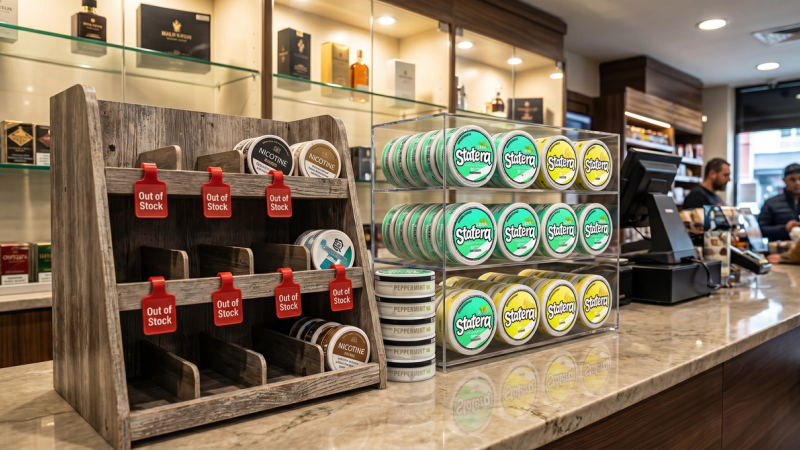
How Distributors Can Plan for Pouch Supply Disruptions
A practical continuity plan for pouch distributors covering forecasts, reorder triggers, approved substitutes, supplier communication, and responsible customer updates.
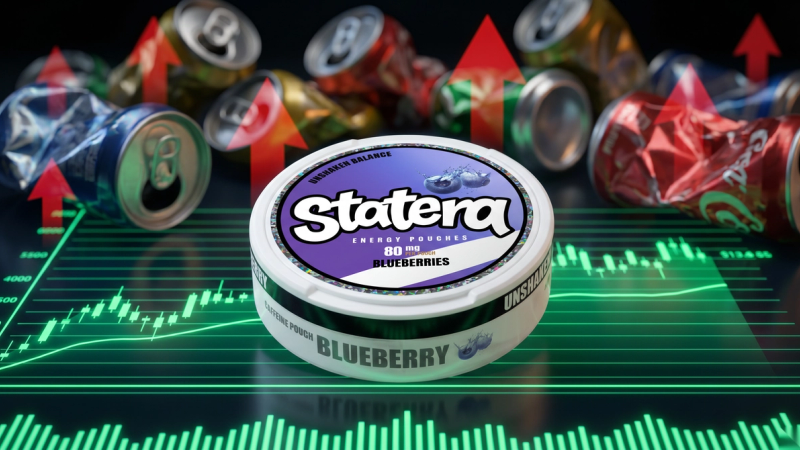
Caffeine Pouch Logistics vs Canned Energy Drinks
A wholesale logistics comparison covering package footprint, weight, refrigeration, breakage, expiry control, and the questions buyers should price with their own data.
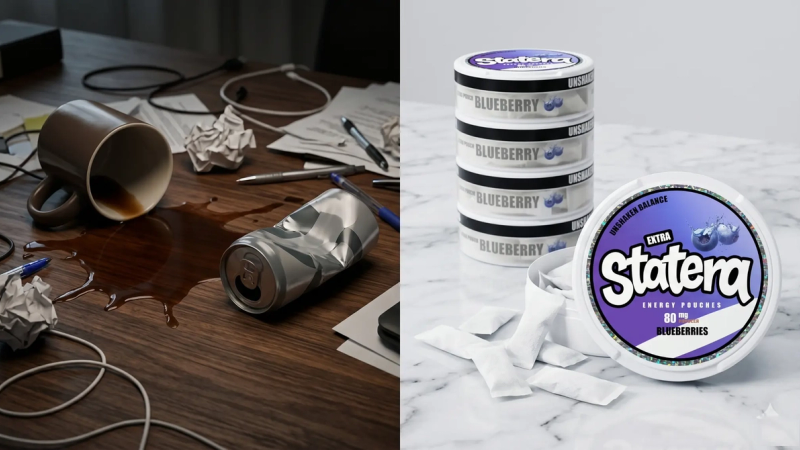
Coffee vs Caffeine Pouches: A Practical Format Comparison
Compare coffee and caffeine pouches by serving visibility, sugar choices, portability, routine, and total caffeine without making unsupported stomach or absorption claims.