Coffee vs Caffeine Pouches: A Practical Format Comparison
Key Takeaways
- Coffee and pouches can both contribute to the same total caffeine intake.
- Format affects portability and serving visibility, not the need for label awareness.
- Individual tolerance and product formulation matter more than broad health claims.
Quick Answer
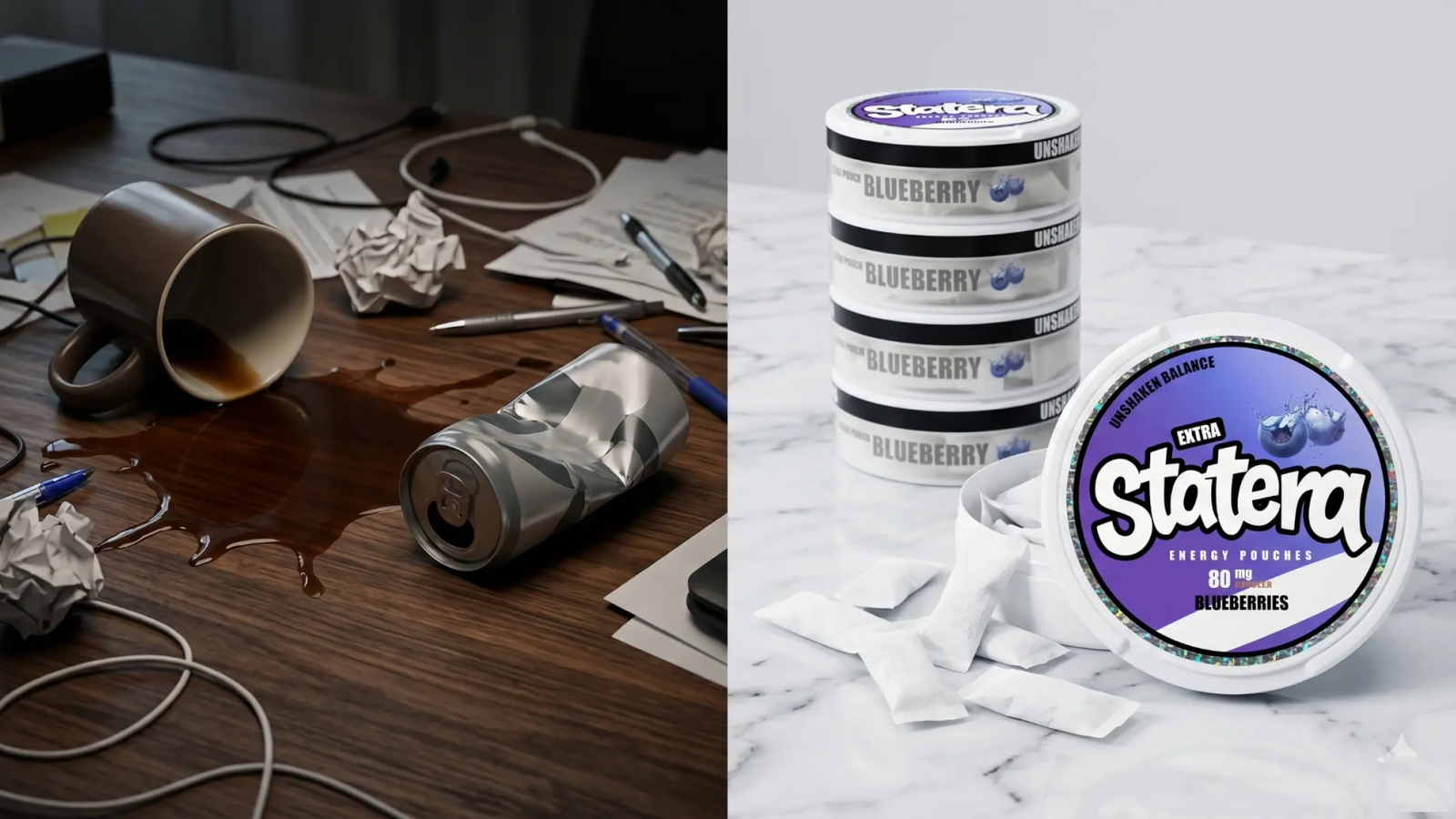
Coffee and caffeine pouches are different ways for an adult to consume caffeine. Coffee offers a familiar drink and many preparation choices. A pouch offers a labeled, portable serving without a beverage. Neither format is universally healthier or better for every person.
The most useful comparison starts with the label and total daily intake. For a broader format and evidence review, read caffeine pouches vs energy drinks: what the evidence shows.
Compare the Serving You Actually Use
Coffee caffeine can vary with bean, preparation, serving size, and refill habits. A packaged pouch can show a specific caffeine amount per unit. That visibility is useful only when the user reads the label and counts other sources consumed the same day.
Adults new to the format should review the caffeine pouch beginner’s guide before deciding whether a pouch fits their routine.
Sugar and Calories Depend on the Product
Plain coffee and many pouch products can be consumed without added sugar, while sweetened coffee drinks and energy drinks can contain sugar and calories. Compare the actual ingredient and nutrition information rather than making a category-wide claim.
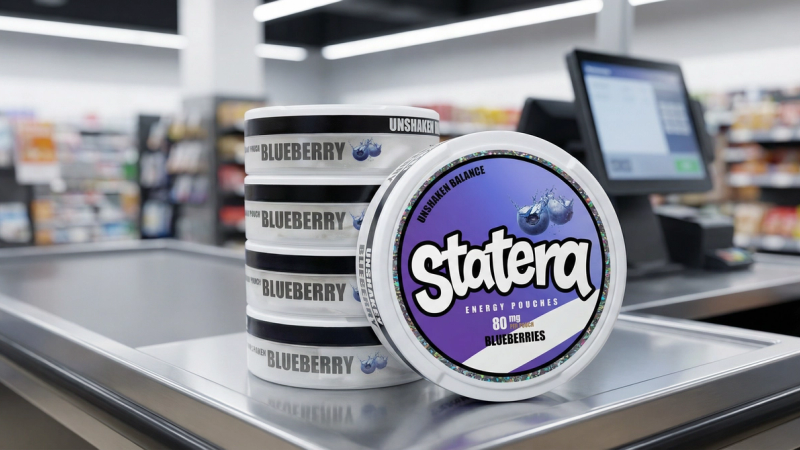
STATERA states that its caffeine pouches contain zero sugar and zero nicotine. Those product facts do not mean every caffeine pouch has the same formulation, and they are not medical claims.
Portability Changes the Routine
Coffee requires a drink, container, and sometimes preparation or refrigeration. A pouch can be carried in a compact labeled package and used without a beverage. The tradeoff is that users must follow the pouch directions and dispose of used material responsibly.
Strength also changes the decision. Use the 80mg vs 120mg caffeine pouch comparison to see the labeled amounts and avoid assuming that the larger number is the right choice.
Avoid Unsupported Digestion and Speed Claims
Do not describe coffee as damaging the gut or claim that a pouch bypasses digestion completely. Individual response can differ, and product-specific clinical evidence is needed for product-specific performance statements.
Browse the current STATERA caffeine pouch range for product facts, ingredients, and format information. Use medical advice, not marketing copy, for questions about pregnancy, medication, heart conditions, caffeine sensitivity, or persistent symptoms.
Frequently Asked Questions
Do caffeine pouches contain less caffeine than coffee?
Not necessarily. Coffee varies and pouches vary. Compare the stated milligrams per serving and include every serving consumed.
Are caffeine pouches easier on the stomach?
That cannot be promised for every person. Formulation, individual sensitivity, and medical circumstances differ. Stop use and seek advice if symptoms occur.
Which format is more portable?
A pouch does not require a drink container, while coffee may be widely available during a normal routine. The more useful choice depends on the setting, label, and individual preference.
Sources and Further Reading
STATERA Editorial Team
—Content StrategyThe STATERA Editorial Team brings you insights on energy innovation, market trends, and wellness strategies for modern retailers and consumers.
Related Articles
Caffeine Pouch Logistics vs Canned Energy Drinks
A wholesale logistics comparison covering package footprint, weight, refrigeration, breakage, expiry control, and the questions buyers should price with their own data.
How Caffeine Pouches Deliver Caffeine: What Evidence Shows
A careful review of oral caffeine delivery, what blood-caffeine research can and cannot establish, and why product-specific speed or performance claims need evidence.
Caffeine Pouches and Responsible Adult Product Education
A responsible communication guide for caffeine pouch brands, distributors, and retailers covering adult positioning, clear labels, balanced claims, and staff training.