
Caffeine Pouches and Responsible Adult Product Education
Key Takeaways
- Product education should state serving, ingredients, and zero-nicotine facts clearly.
- Brands must not turn category differences into health or legal promises.
- Adult positioning, label visibility, and staff training support informed choice.
Quick Answer
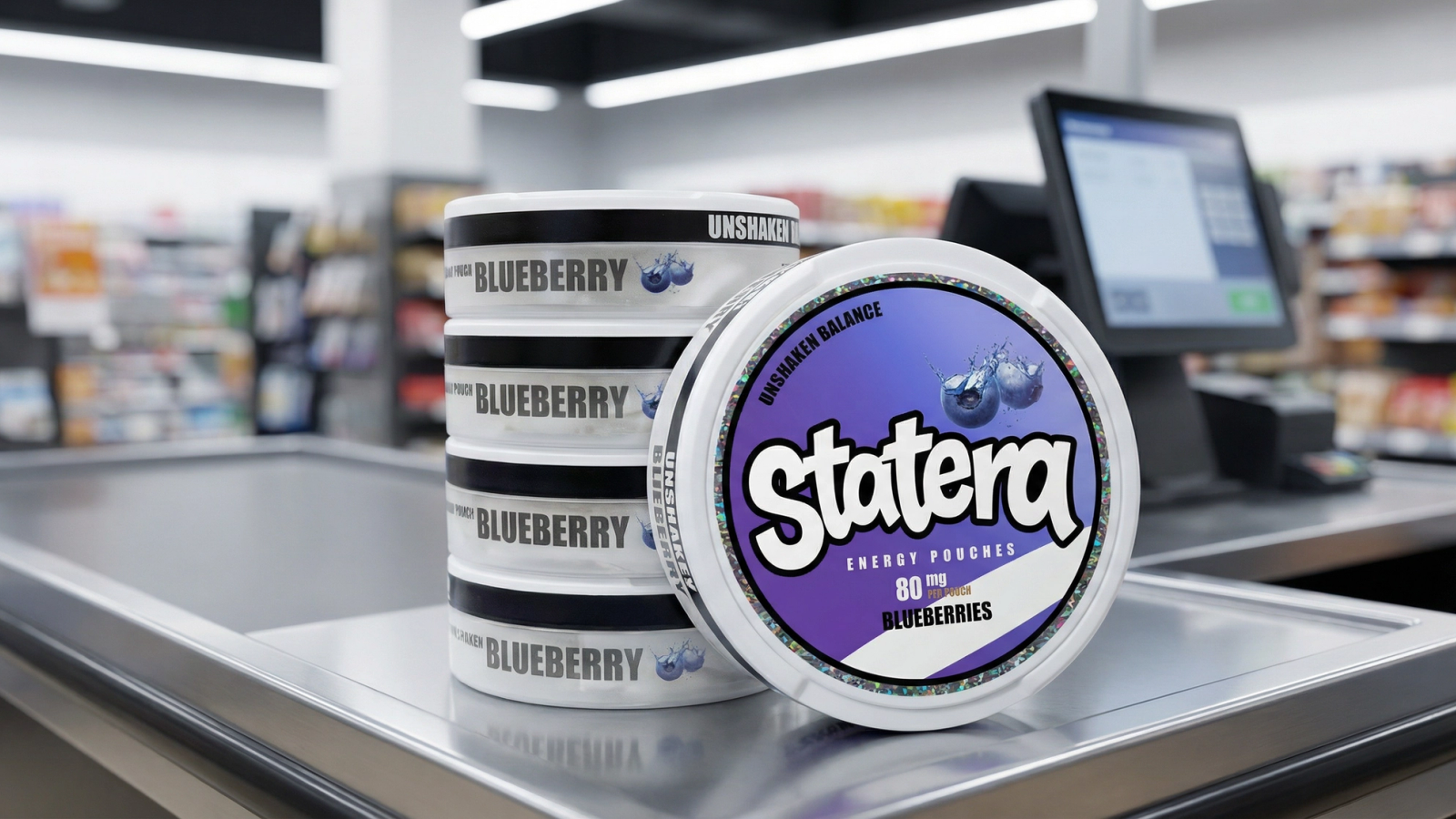
Responsible caffeine pouch education helps an adult understand what the product is, how much caffeine one pouch contains, that STATERA products contain zero nicotine, and where to find warnings and directions. It does not present the product as a public-health solution or a substitute for medical advice.
Start with accurate basics from the adult beginner’s guide to caffeine pouches, then adapt retail training to the applicable market.
Lead With Verifiable Product Facts
- Caffeine amount per pouch and pouches per package.
- Ingredient, flavor, storage, warning, and use information from the current label.
- Zero-nicotine status stated without implying universal legal treatment.
- Clear distinction between 80mg and 120mg products.
- Current availability rather than permanent supply language.
Use the 80mg vs 120mg caffeine pouch comparison to explain strength without presenting the higher amount as a better choice.
Avoid Health, Safety, and Regulatory Shortcuts
Zero nicotine is an important product characteristic. It does not establish that a product is healthy, suitable for everyone, exempt from age or tax rules, or permitted in every country. Likewise, zero sugar does not turn a caffeine product into medical or nutritional advice.
The retailer rules checklist explains how to verify classification and local requirements without making universal claims.
Train Staff to Answer and Escalate
Give staff a short fact sheet and a clear boundary. They can point to the label, identify the strength and flavor, explain that the product contains caffeine and zero nicotine, and direct wholesale questions to the proper team. They should not diagnose symptoms, advise on medication, or promise a particular effect.
Create an escalation path for adverse-event reports, damaged packages, regulatory questions, and requests involving pregnancy, medical conditions, children, or caffeine sensitivity.
Design Adult-Oriented, Useful Content
Use practical settings such as retail buying, workday planning, travel preparation, and product comparison without glamorizing hazardous activity or targeting youth culture. Keep images, language, and placement consistent with adult use.
Current product facts belong on the STATERA product collection; commercial case and account questions belong with STATERA wholesale. Keeping those roles clear makes editorial content more credible.
Frequently Asked Questions
Can a retailer say caffeine pouches are safer than nicotine pouches?
Not without appropriate evidence and legal review. A retailer can accurately state ingredients and zero-nicotine status without making a comparative safety claim.
Should caffeine pouches be marketed to teenagers?
No. STATERA content is adult-focused. Caffeine serving information and warnings should be prominent, and marketing should avoid youth-oriented themes.
What should staff do when a customer reports symptoms?
Stop the sales conversation, direct the person to appropriate medical advice when needed, preserve product and lot details, and follow the company’s complaint or adverse-event process.
Sources and Further Reading
STATERA Editorial Team
—Content StrategyThe STATERA Editorial Team brings you insights on energy innovation, market trends, and wellness strategies for modern retailers and consumers.
Related Articles
How Caffeine Pouches Deliver Caffeine: What Evidence Shows
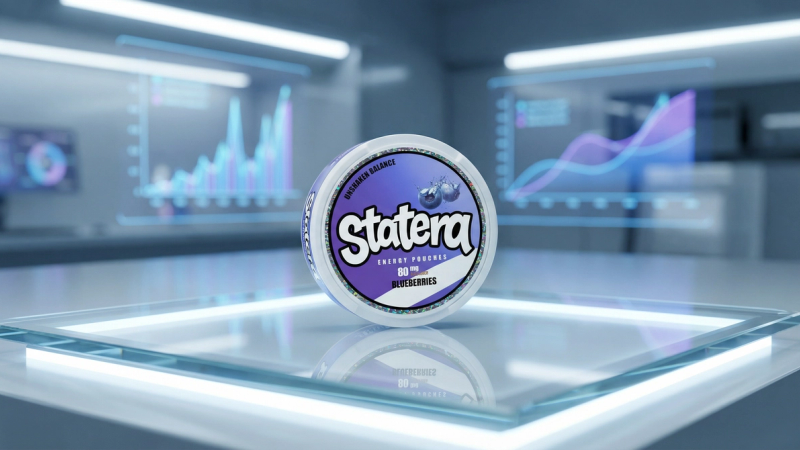
A careful review of oral caffeine delivery, what blood-caffeine research can and cannot establish, and why product-specific speed or performance claims need evidence.

Mid-Year Wholesale Review: A Practical Inventory Checklist
A mid-year review process for wholesale buyers covering sales, landed cost, stock age, service levels, assortment, supplier evidence, and next-half priorities.
2026 Caffeine Pouch Retail Questions After TPE
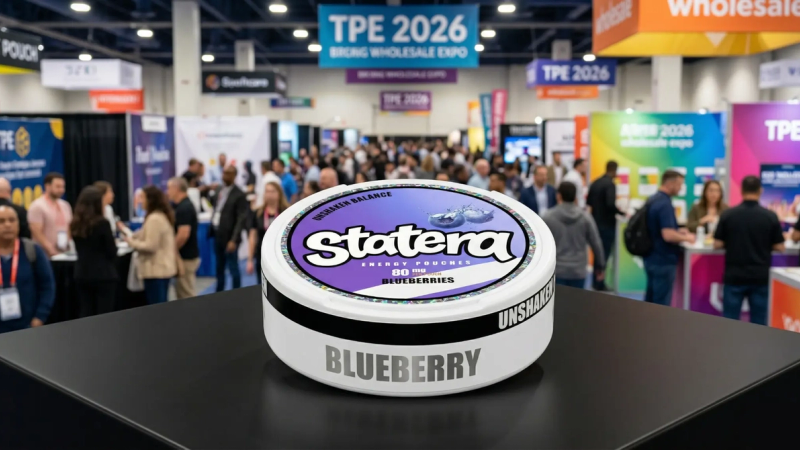
A post-event buyer checklist for evaluating caffeine pouch strength, format, claims, documentation, merchandising, and supplier readiness without inventing trade-show trends.