
Caffeine Pouch Rules for Retailers: What Varies by Market
Key Takeaways
- Product ingredients and claims influence classification.
- Rules must be checked for each country, state, or local market.
- Retailers need dated sources and a repeatable change-monitoring process.
Quick Answer
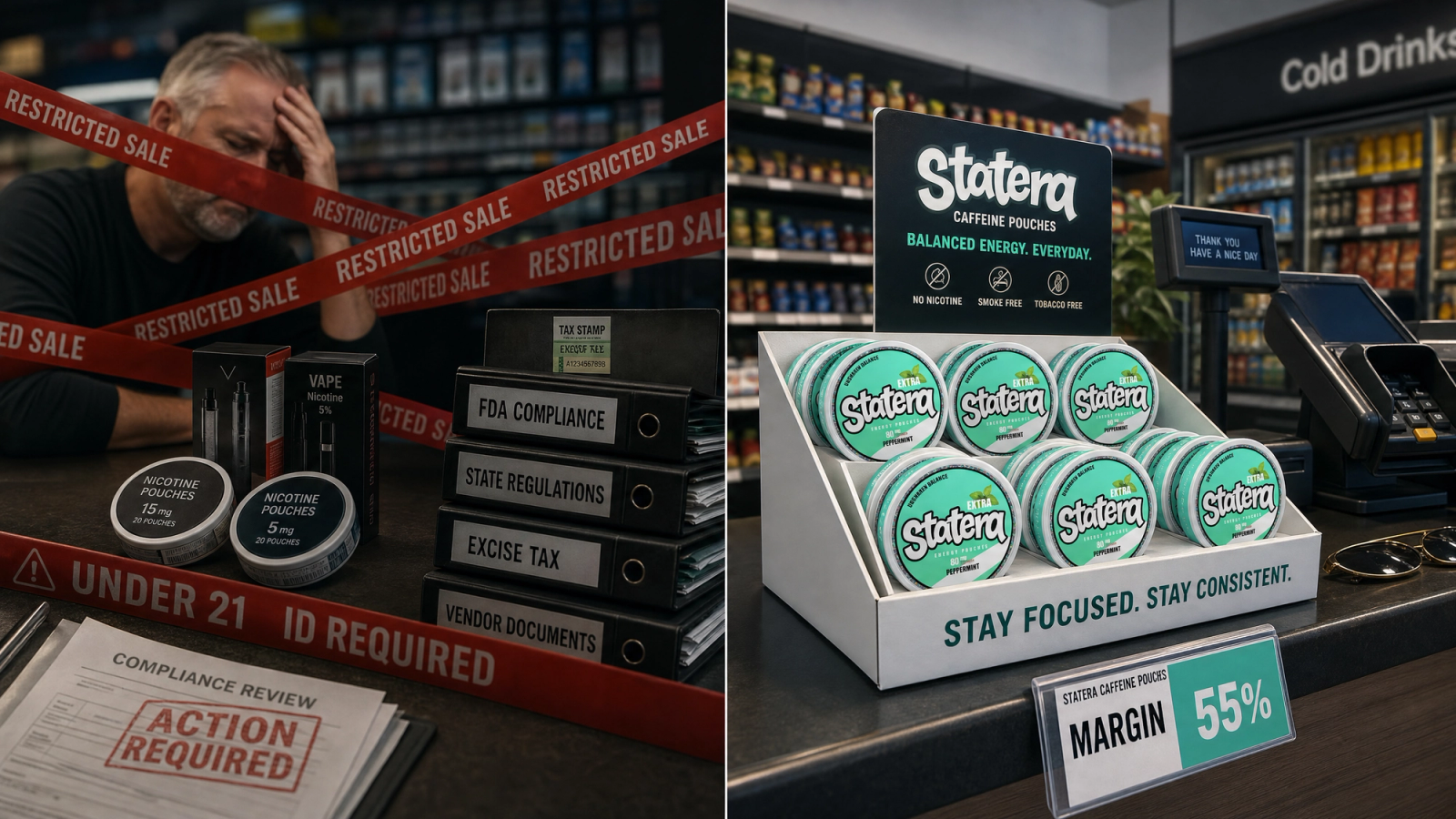
Caffeine and nicotine pouches can look similar, but a shared format does not make them the same regulated product. Ingredients, intended use, marketing claims, and local law all matter.
Retailers should create a dated market file for every product. The PMTA guide for distributors covers the U.S. tobacco pathway, while this article addresses the broader market-checking process.
Start With the Product, Not the Pouch Shape
Record the full ingredient list, caffeine amount, presence or absence of nicotine and tobacco, package claims, intended consumer, and route to market. A visual resemblance to another pouch category is not a legal conclusion.
STATERA’s 120mg caffeine pouch launch describes a zero-nicotine product line. That product fact should be stated accurately, but it does not establish the rules in every market.
Check Five Rule Areas Separately
- Product classification and any premarket or notification requirement.
- Ingredient, caffeine, warning, and package-label requirements.
- Age, placement, advertising, and online-sales restrictions.
- Import, customs, tax, and distributor registration requirements.
- Local rules that can be stricter than national rules.
Do not use one missing requirement as proof that all other requirements are absent. A product can sit outside one tobacco rule and still be covered by another consumer, food, supplement, advertising, or tax framework.
Use Primary, Dated Sources
Prioritize regulator pages, legislation, official guidance, and written advice from qualified local professionals. Save the source URL, publication or review date, market covered, and the person responsible for the internal decision.
The retail inventory monitoring checklist shows how to track rule changes without turning them into a sales claim.
Turn Compliance Into an Operating Process
Assign an owner, review high-risk markets on a schedule, and require suppliers to notify buyers about formula, label, or package changes. Train staff to avoid casual statements about legality, safety, age limits, or tax treatment.
Once the market file is complete, STATERA wholesale can provide current commercial product information. Retailers and importers remain responsible for confirming the rules that apply to their own sale.
Frequently Asked Questions
Are caffeine pouches regulated like nicotine pouches?
Not automatically. The answer depends on the product and the market. Similar packaging does not create a shared legal classification.
Do all markets require an age check for caffeine pouches?
There is no universal answer. Retailers must verify national, state, provincial, and local rules and consider responsible adult-only positioning.
How often should a retailer review the rules?
Use a risk-based schedule and review sooner when a regulator, supplier, formula, label, or route to market changes.
Sources and Further Reading
STATERA Editorial Team
—Content StrategyThe STATERA Editorial Team brings you insights on energy innovation, market trends, and wellness strategies for modern retailers and consumers.
Related Articles
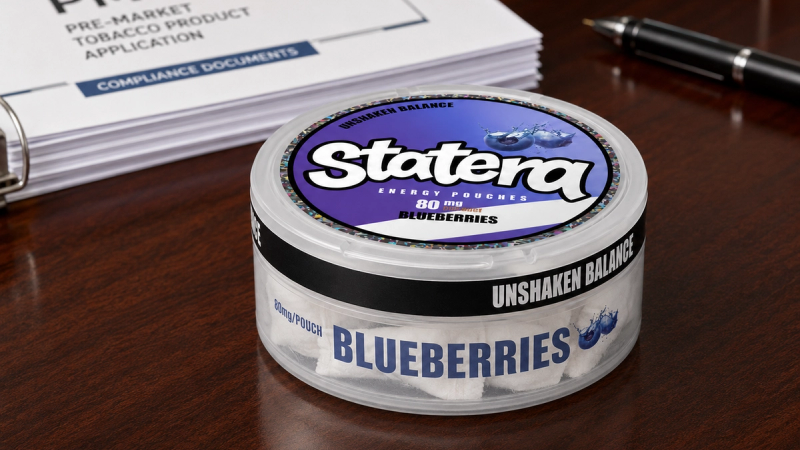
PMTA and Caffeine Pouches: What Distributors Should Know
A distributor-focused explanation of the U.S. PMTA framework, why product classification matters, and what documentation buyers should request before listing any pouch product.

Why Energy Drinks Can Lead to an Afternoon Crash
An evidence-aware explanation of afternoon fatigue that separates caffeine, sugar, sleep, meals, hydration, and individual sensitivity instead of blaming one drink.
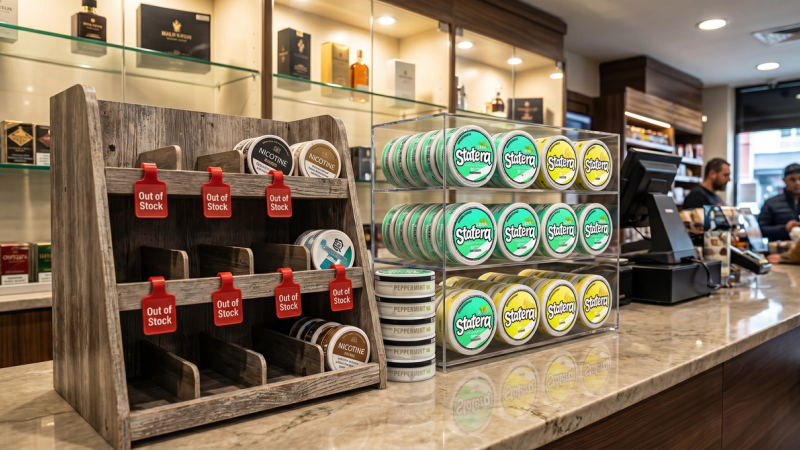
How Distributors Can Plan for Pouch Supply Disruptions
A practical continuity plan for pouch distributors covering forecasts, reorder triggers, approved substitutes, supplier communication, and responsible customer updates.