
Why Energy Drinks Can Lead to an Afternoon Crash
Key Takeaways
- Afternoon fatigue can have several causes, not one universal mechanism.
- Caffeine does not replace sleep, food, hydration, or fatigue controls.
- Adults should count caffeine from every source and follow product labels.
Quick Answer
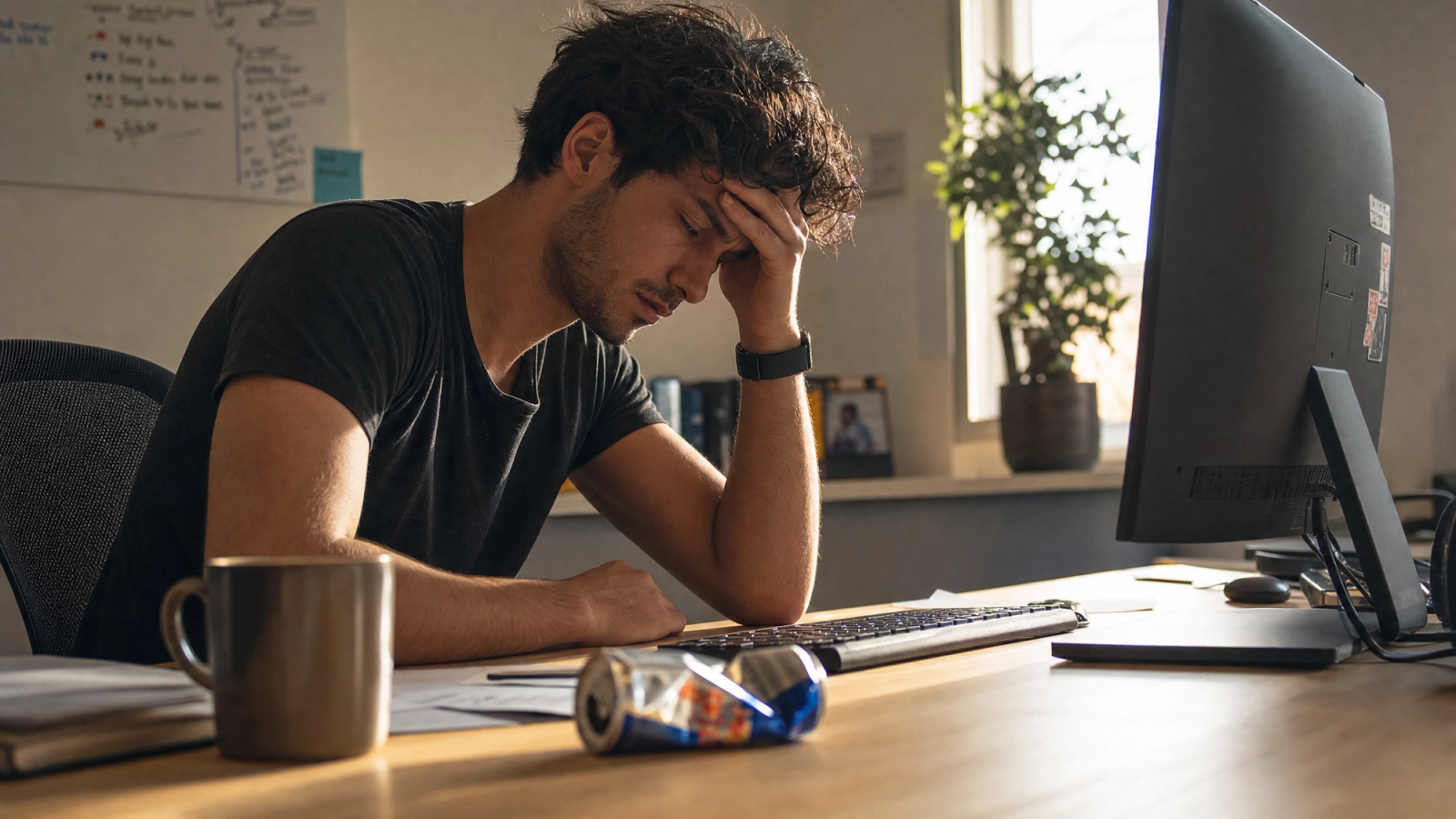
Feeling tired after an energy drink does not prove that the drink directly caused a “crash.” Afternoon alertness can be affected by sleep debt, the natural circadian dip, meal timing, hydration, sugar intake, caffeine timing, and individual sensitivity.
A different format changes the consumption experience, not the need for sensible caffeine decisions. Start with the adult beginner’s guide to caffeine pouches and compare labels rather than relying on a promise of all-day focus.
Why the Afternoon Dip Happens
NIOSH training materials identify the middle of the afternoon as one period when sleep-deprived people can be especially vulnerable to fatigue-related errors. That pattern can occur even without an energy drink. A short night, long time awake, repetitive work, stress, and a heavy meal can overlap.
A useful review begins with the previous night’s sleep and the day’s total workload. Caffeine can temporarily affect alertness, but it does not provide the judgment and recovery that adequate sleep provides.
Separate Caffeine From Sugar and Serving Size
Energy drinks vary widely in caffeine, sugar, container size, and other ingredients. Coffee, tea, supplements, gum, and pouches can add to the same daily total. Read the label and record the amount consumed rather than estimating by container type.
For a format-focused comparison, read caffeine pouches vs energy drinks: what the evidence shows. It avoids unsupported claims that one format always works faster or prevents fatigue.
Choose Strength Deliberately
STATERA offers labeled 80mg and 120mg options. The 80mg vs 120mg comparison explains the arithmetic and why a higher number is not automatically a better choice.
Adults who are considering the stronger format should also review what 120mg of caffeine may feel like. Individual response varies, and caffeine from coffee, tea, drinks, supplements, and pouches must be added together.
Use a Better Afternoon Checklist
- Check recent sleep and whether a safety-sensitive task should be paused.
- Drink water and consider whether a regular meal or break was missed.
- Add the caffeine already consumed from every source.
- Avoid late timing that can interfere with the next sleep period.
- Seek medical advice for persistent, severe, or unexplained fatigue.
No caffeine product should be marketed as making driving, clinical work, construction, or another hazardous activity safe. If fatigue creates a safety risk, stop and use the appropriate workplace or transport controls.
Frequently Asked Questions
Does sugar always cause an energy crash?
No single explanation fits everyone. Sugar intake can be one factor, but sleep, meals, circadian timing, workload, hydration, and caffeine use also matter.
Will a caffeine pouch prevent afternoon fatigue?
No product can promise that result. A pouch provides a labeled caffeine amount in a different format; it does not replace sleep or address every cause of fatigue.
Is 120mg the right amount for an afternoon dip?
Not automatically. Consider individual sensitivity, the product label, medical circumstances, time of day, and caffeine already consumed.
Sources and Further Reading
STATERA Editorial Team
—Content StrategyThe STATERA Editorial Team brings you insights on energy innovation, market trends, and wellness strategies for modern retailers and consumers.
Related Articles
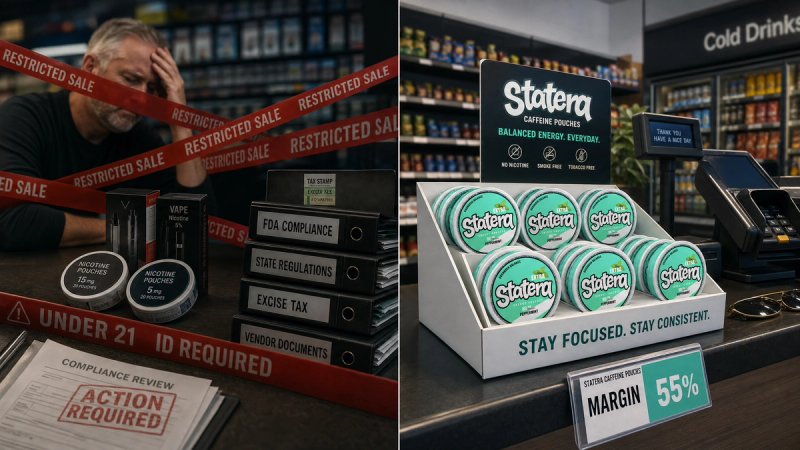
Caffeine Pouch Rules for Retailers: What Varies by Market
A practical framework for checking how caffeine and nicotine pouch rules differ across markets without relying on universal claims about age limits, taxes, or legality.
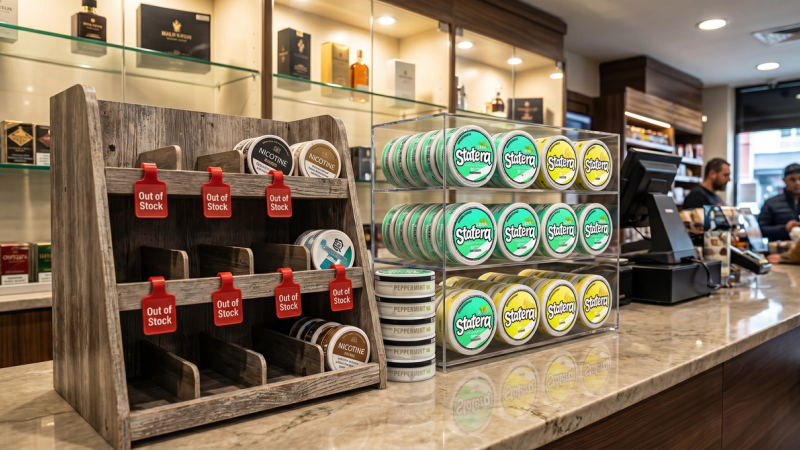
How Distributors Can Plan for Pouch Supply Disruptions
A practical continuity plan for pouch distributors covering forecasts, reorder triggers, approved substitutes, supplier communication, and responsible customer updates.
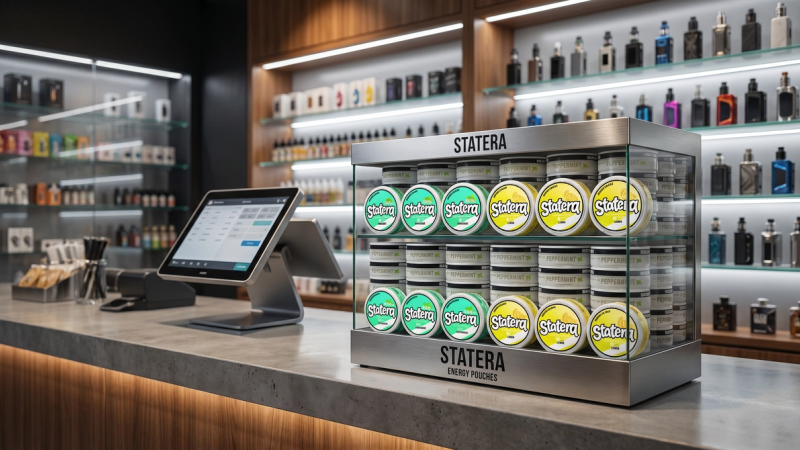
Caffeine Pouches at the Counter: A Retail Merchandising Guide
A practical guide to testing caffeine pouch placement at an adult-oriented retail counter without promising that one category will replace vape revenue or predetermine margin.