
How Distributors Can Plan for Pouch Supply Disruptions
Key Takeaways
- Plan for disruption without claiming that a global shortage exists.
- Use SKU-level forecasts, lead-time evidence, and reorder triggers.
- Approve substitutes by customer need, not by package resemblance alone.
Quick Answer
Distributors do not need an unverified “global shortage” headline to justify continuity planning. Every product category can face delays caused by demand changes, packaging availability, transport, documentation, production schedules, or market-specific clearance.
A useful plan combines SKU-level demand, confirmed lead times, safety stock rules, and approved alternatives. Start with how to evaluate a caffeine pouch supplier instead of accepting absolute supply claims.
Create a SKU-Level Risk View
- Average weekly demand and recent volatility by customer segment.
- Confirmed production and transport lead times, including customs where relevant.
- Minimum order quantities and case-pack constraints.
- Available inventory by lot and earliest expiry date.
- Critical accounts, contractual commitments, and approved substitutions.
Use ranges when lead times are uncertain. A single optimistic number can hide the risk that matters most to purchasing teams.
Set Reorder and Escalation Triggers
Define when a buyer reorders, when a delayed purchase order is escalated, and when sales teams stop promising a date. Triggers should reflect actual lead-time variability and the cost of both a stockout and excess inventory.
Packaging format affects case and shelf planning. The explanation of why STATERA uses 20-count cans can support format discussions without being used as proof of supply certainty.
Pre-Approve Responsible Alternatives
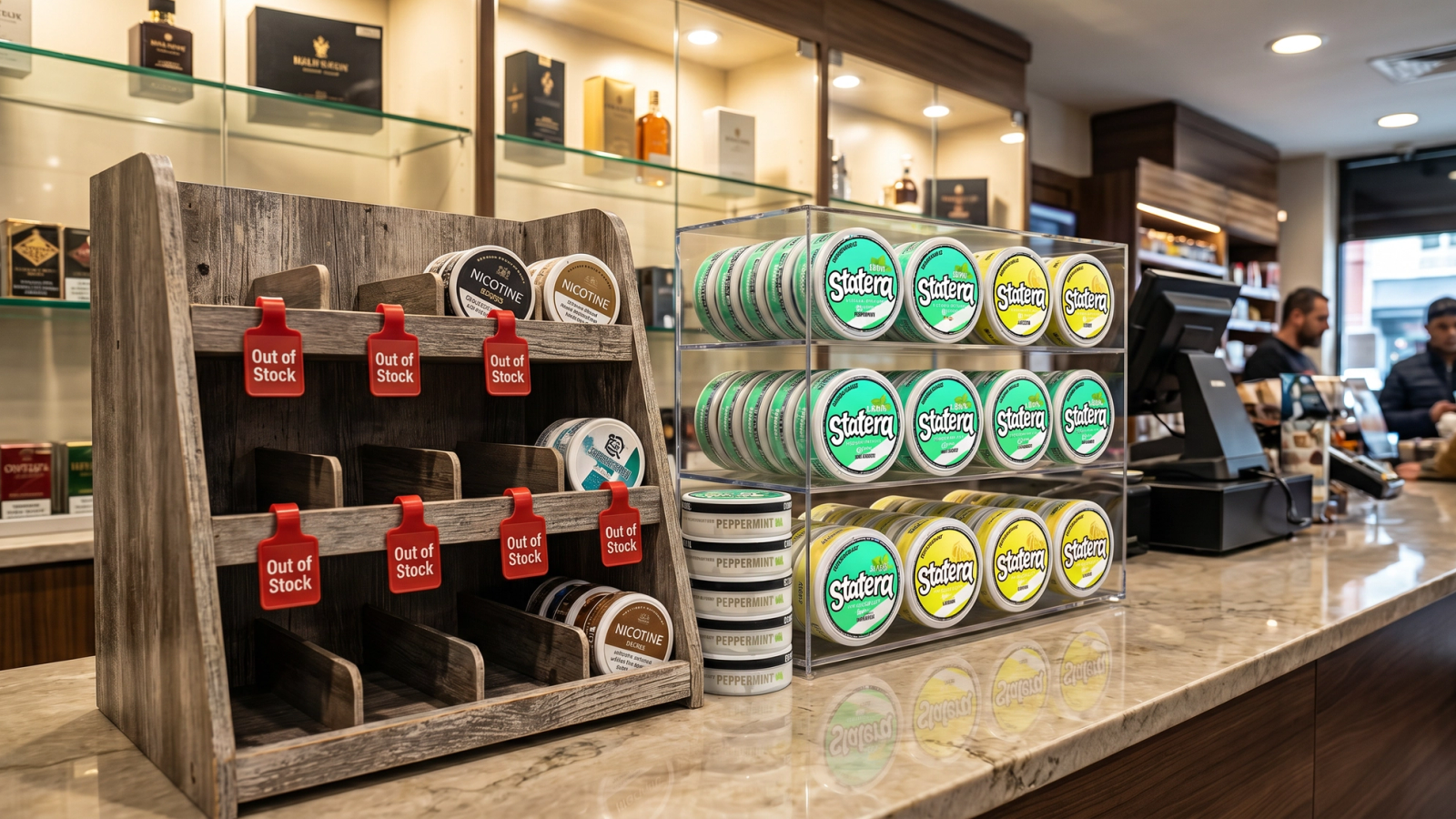
An alternative should match the customer’s intended category, labeled caffeine amount, format, price architecture, and local compliance requirements. Do not substitute a nicotine product for a caffeine product, or a stronger caffeine serving for a lower one, without a clear buyer decision.
Use the wholesale caffeine pouch buyer’s guide to compare handling and assortment questions before a replacement SKU is listed.
Communicate Without Creating Panic
Tell retailers what is confirmed: the affected SKU, current available quantity, expected next update, and approved options. Avoid statements about industry-wide shortages unless a reliable, dated source supports them.
For current commercial availability, contact STATERA wholesale. Availability information should be dated and should never be rewritten as a permanent supply claim.
Frequently Asked Questions
How much safety stock should a distributor hold?
There is no universal number. Use demand variability, confirmed replenishment time, expiry risk, storage cost, customer commitments, and the business’s service target.
Should a distributor list several similar pouch brands?
That is a commercial decision. If alternatives are listed, document ingredient, strength, format, compliance, and customer differences rather than treating all pouches as interchangeable.
How should a delay be explained to retailers?
Share confirmed facts, a dated next update, and approved options. Do not invent a global cause or promise an arrival date the supplier has not confirmed.
STATERA Editorial Team
—Content StrategyThe STATERA Editorial Team brings you insights on energy innovation, market trends, and wellness strategies for modern retailers and consumers.
Related Articles

Why Energy Drinks Can Lead to an Afternoon Crash
An evidence-aware explanation of afternoon fatigue that separates caffeine, sugar, sleep, meals, hydration, and individual sensitivity instead of blaming one drink.
Caffeine Pouches at the Counter: A Retail Merchandising Guide
A practical guide to testing caffeine pouch placement at an adult-oriented retail counter without promising that one category will replace vape revenue or predetermine margin.
Caffeine Pouch Logistics vs Canned Energy Drinks
A wholesale logistics comparison covering package footprint, weight, refrigeration, breakage, expiry control, and the questions buyers should price with their own data.