How to Choose the Right Caffeine Pouch Strength
Key Takeaways
- Strength labels are comparison tools, not universal rules.
- Compare the labeled caffeine amount per pouch before choosing a product.
- Total caffeine, timing, and personal sensitivity matter alongside strength.
- Within STATERA?s range, 80mg is the lower option and 120mg is the higher option.
Quick Answer
The right caffeine pouch strength is not always the highest number on the label. Start by checking the labeled caffeine amount per pouch, then consider your usual caffeine habits, the time of day, and every other caffeine source in your routine.
?Low,? ?medium,? and ?high? are useful comparison terms, but they are not official categories shared by every brand. A lower amount can still feel significant for a caffeine-sensitive adult, while a higher amount is not automatically a better choice.
For STATERA, the comparison is straightforward: an 80mg caffeine pouch contains less caffeine per pouch than a 120mg caffeine pouch. The right option depends on your personal caffeine routine?not simply the larger number on the can.
What Do Low, Medium, and High Caffeine Pouch Strengths Mean?
Caffeine pouch strength is usually measured in milligrams of caffeine per pouch. That labeled amount is the clearest number to compare across products.
There is no universal industry scale for low, medium, and high strength. For the practical comparisons in this article, the following working ranges can help:
| Range | Caffeine / pouch |
|---|---|
| Low | <50mg |
| Medium | 50-99mg |
| High | 100mg+ |
These ranges are comparison tools, not medical guidance or official classifications. Caffeine habits, timing, sleep, medications, health conditions, and personal sensitivity can all affect how someone responds.
A Quick Three-Step Check
- Check caffeine per pouch. Compare the labeled amount before flavor, packaging, or price.
- Count other caffeine first. Include coffee, tea, energy drinks, pre-workout products, supplements, chocolate, and relevant medications.
- Consider timing and your response. Choose the amount that fits your routine rather than automatically choosing the higher number.
For general context, the European Food Safety Authority lists approximate examples of 80mg in a 60ml espresso, 90mg in a 200ml cup of filter coffee, 50mg in a 220ml cup of black tea, and 80mg in a 250ml energy drink. Actual caffeine content and serving sizes can vary.
Start With the Label, Not the Marketing
How much caffeine is in one pouch?
The number of pouches in a can does not tell you the caffeine amount. Compare caffeine per pouch before comparing flavor, packaging, or price.
What other caffeine have you had today?
Coffee, tea, energy drinks, pre-workout products, supplements, chocolate, and some medications may contribute caffeine. A pouch should be considered as part of your total daily intake, not as an unrelated serving.
When will you use it?
Timing matters. EFSA notes that a single 100mg amount may affect sleep duration and sleep patterns in some adults when used close to bedtime. The U.S. Food and Drug Administration cites 400mg per day as an amount not generally associated with negative effects for most adults. That is a general reference?not a daily target?and it includes caffeine from all sources.
How to Compare Lower and Higher Strengths
When a lower strength may fit
A lower strength can be a practical option for adults who want a smaller labeled caffeine amount per pouch or are working out how pouches fit into an existing caffeine routine. Lower does not mean caffeine-free, universally mild, or suitable for everyone.
If you are comparing pouch formats for the first time, start with what caffeine pouches are and how adults use them, then compare product labels with your own daily caffeine plan.
When a medium or high strength may fit
A medium or high strength is a deliberate choice, not a default next step. It may fit adults who already understand their caffeine tolerance and want a larger labeled amount per pouch. Total caffeine still matters: count a pouch together with coffee, tea, energy drinks, or other caffeine products used that day.
Pay attention to your response. The FDA lists possible signs of too much caffeine, including jitters, anxiety, upset stomach, headache, increased heart rate, palpitations, and sleep disruption. If an amount does not fit your routine or causes concern, adding more caffeine is not the answer.
Where STATERA 80mg and 120mg Fit
STATERA currently offers two labeled caffeine pouch strengths, making the comparison clear.
STATERA Original 80mg
Original 80mg is STATERA?s lower-caffeine option. Based on the working ranges used in this article, an 80mg caffeine pouch falls within the medium-strength comparison range.
STATERA New 120mg
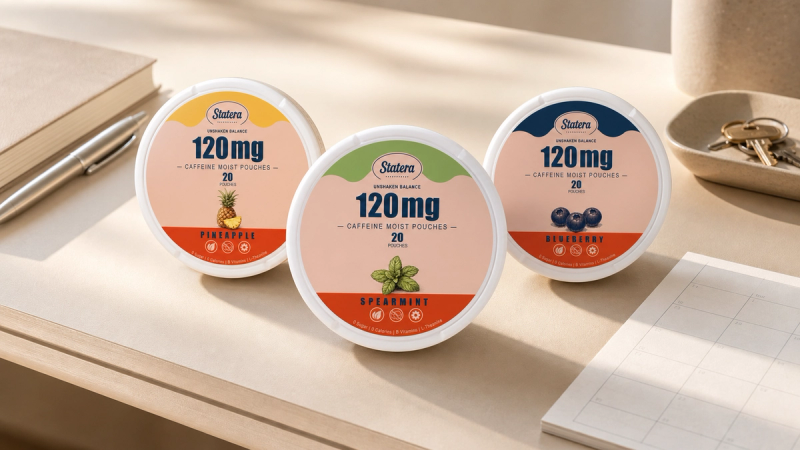
New 120mg is STATERA?s higher-caffeine option. Based on the same working ranges, a 120mg caffeine pouch falls within the high-strength comparison range. It contains 40mg more caffeine per pouch than 80mg?50% more caffeine by labeled amount.
That arithmetic does not predict an exactly 50% stronger experience, because individual responses to caffeine vary. If you are choosing only between STATERA options, explore the Original 80mg collection when you prefer the smaller labeled amount, or the New 120mg can collection when you deliberately want the higher amount.
For a direct product comparison, read 80mg vs 120mg caffeine pouches. If you are considering the stronger tier, also read what 120mg of caffeine may feel like.
Frequently Asked Questions
Is 80mg considered a medium caffeine pouch strength?
There is no official universal scale, but based on the working ranges used in this article, 80mg falls within the medium-strength comparison range. Within STATERA?s lineup, it is the lower-caffeine option.
Is 120mg considered a high caffeine pouch strength?
In the working ranges used here, yes. A 120mg caffeine pouch falls within the high-strength range and contains 50% more caffeine than an 80mg pouch.
What is the difference between an 80mg and 120mg caffeine pouch?
The main difference is the labeled caffeine amount per pouch. A 120mg pouch contains 40mg more caffeine?and 50% more caffeine?than an 80mg pouch. That does not mean it will feel exactly 50% stronger. For a detailed comparison, read our 80mg vs 120mg caffeine pouch guide.
Can I use caffeine pouches with coffee?
The important number is total caffeine from all sources. A pouch and coffee should be counted together rather than treated as unrelated servings.
The Bottom Line
Choose a caffeine pouch strength by checking caffeine per pouch, your usual caffeine routine, timing, and total caffeine intake. Low, medium, and high are useful ways to compare products, but they do not predict exactly how every adult will respond.
For STATERA, 80mg is the lower-caffeine option and 120mg is the higher-caffeine option. The best choice is the strength that fits your plan?not simply the biggest number on the can.
Product note: STATERA caffeine pouches contain caffeine and zero nicotine and are intended for adults only. They are not recommended for children, people who are pregnant or nursing, or individuals sensitive to caffeine. This article provides general product information and is not medical advice.
STATERA Editorial Team
—Content StrategyThe STATERA Editorial Team brings you insights on energy innovation, market trends, and wellness strategies for modern retailers and consumers.
Related Articles
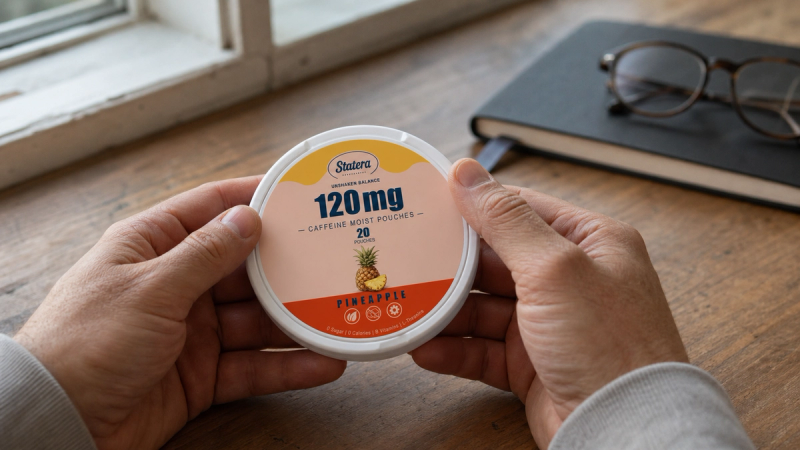
How to Read a Caffeine Pouch Label
Learn how to check caffeine per pouch, pouch count, ingredients, directions, warnings, storage, lot and expiry details before using a caffeine pouch.
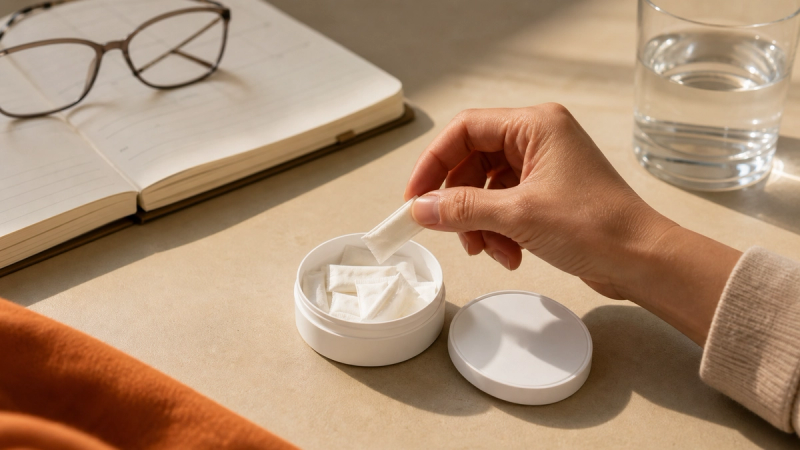
Sugar-Free, Zero-Nicotine 120mg Caffeine Pouches
Learn what zero nicotine, zero sugar, zero calories, and 120mg per pouch mean for adults comparing STATERA 20-count caffeine pouch cans.
Why 20-Count Cans Make Sense for Daily Caffeine Pouch Users
A practical look at why 20-count caffeine pouch cans suit organized adult routines without turning package quantity into a usage schedule.