
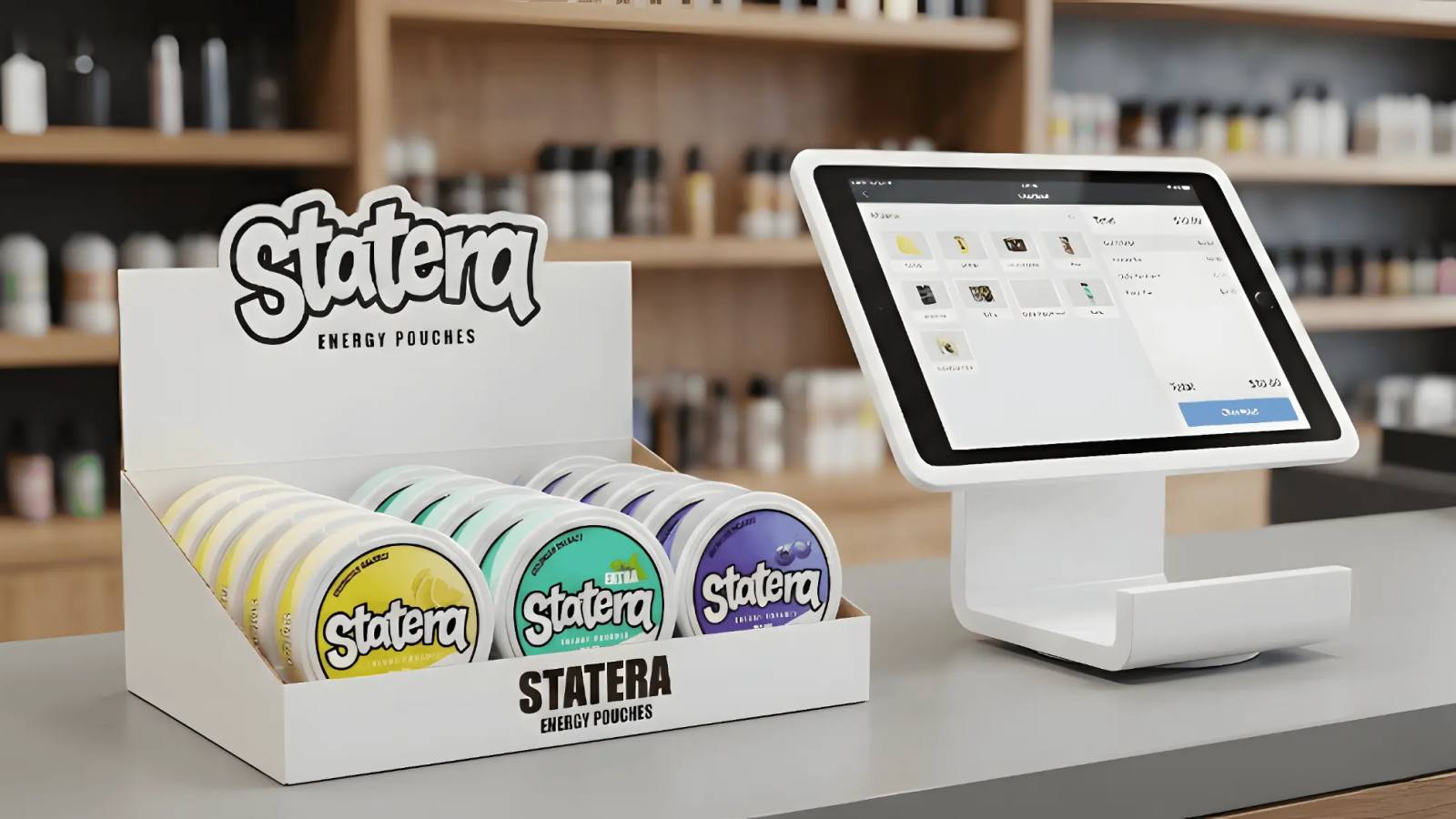
Checkout Counter Placement for Caffeine Pouches
Key Takeaways
- Checkout is a testable placement, not proof of impulse demand.
- Caffeine and nicotine products must be clearly distinguished.
- Measure net sales, repeat purchase, inventory, returns, and staff questions.
Quick Answer
A checkout counter can make a compact product visible, but visibility does not prove impulse demand or category leadership. Retailers should test caffeine pouch placement with clear adult product information and agreed measures.
The caffeine pouch counter merchandising guide covers the wider display and training framework.
Make the Product Understandable at a Glance
Show that the item is a caffeine pouch, the caffeine amount per pouch, the package count, and that STATERA products contain zero nicotine. Keep warnings and directions available. Do not use a headline that promises focus, energy duration, safety, or profit.
If the display includes several flavors, use the 120mg flavor selection guide for staff education without predicting which flavor must lead.
Keep Categories Clearly Separated
Caffeine pouches can resemble nicotine pouches. Use category labels, spacing, color hierarchy, and staff scripts to reduce confusion. Follow any local placement, age, advertising, and sales rules.
The convenience-store shelf tradeoff guide helps determine whether checkout or another location better fits the store mission.
Run a Controlled Placement Test
- Select stores, dates, SKUs, price, and starting inventory.
- Record the comparison location or baseline period.
- Train staff with the same approved facts.
- Measure sales, stockouts, returns, repeat orders, and questions.
- Review whether the placement affects nearby products or checkout time.
Avoid changing price, display, assortment, and staff incentive at the same time if the goal is to learn which factor mattered.
Set Expansion and Exit Criteria
Define the result required to expand, adjust, or stop the test. Include gross profit after discounts, inventory days, shrink, staff effort, complaints, and customer understanding.
Retailers can request current case packs and terms through STATERA wholesale. A successful test in one store does not create a result for every location.
Frequently Asked Questions
Are caffeine pouches an impulse product?
They can be tested in an impulse location, but the result depends on store, customer, price, assortment, education, and placement.
Should caffeine pouches sit beside nicotine pouches?
Not automatically. Similar packages can cause confusion, and market placement rules may differ. Use clear separation and current compliance review.
What is the main checkout metric?
Use a balanced set: net units, gross profit after discounts, stockouts, inventory days, returns, repeat orders, staff time, and customer questions.
STATERA Editorial Team
—Content StrategyThe STATERA Editorial Team brings you insights on energy innovation, market trends, and wellness strategies for modern retailers and consumers.
Related Articles
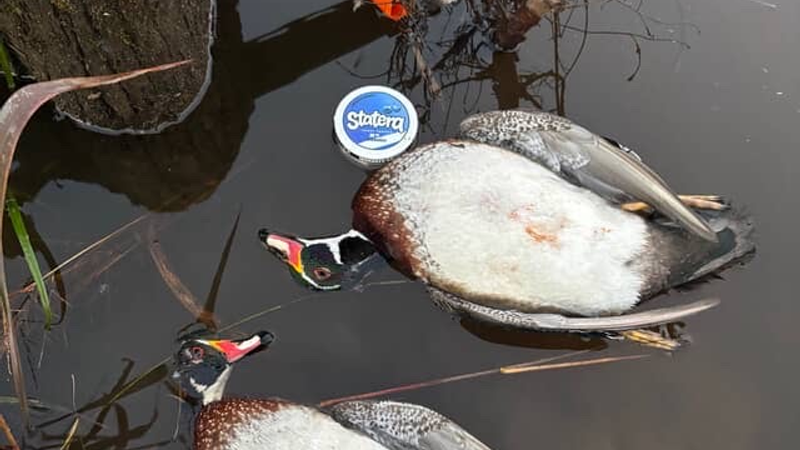
Packing Caffeine Pouches for Hunting and Fishing Trips
An adult outdoor packing guide for caffeine pouches covering labels, weather protection, total caffeine, hydration, safe storage, wildlife-safe disposal, and travel rules.
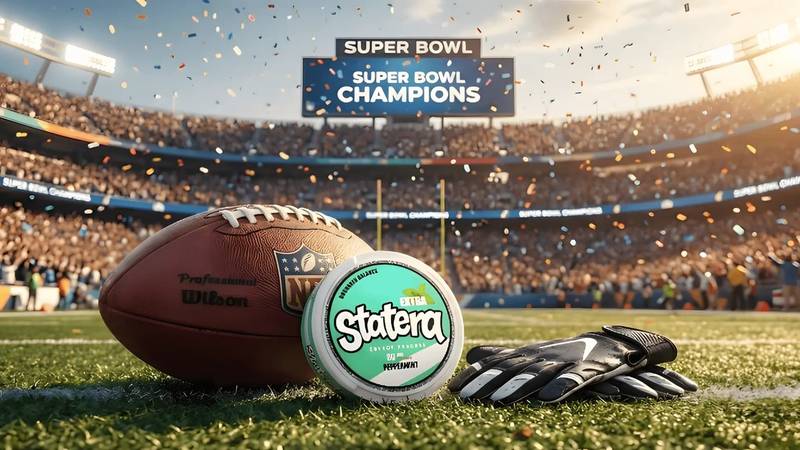
Caffeine Pouches in Vape Shops: An Inventory Guide
An adult vape-shop inventory guide to caffeine pouch category separation, compliance, assortment, staff education, supplier checks, testing, and responsible claims.
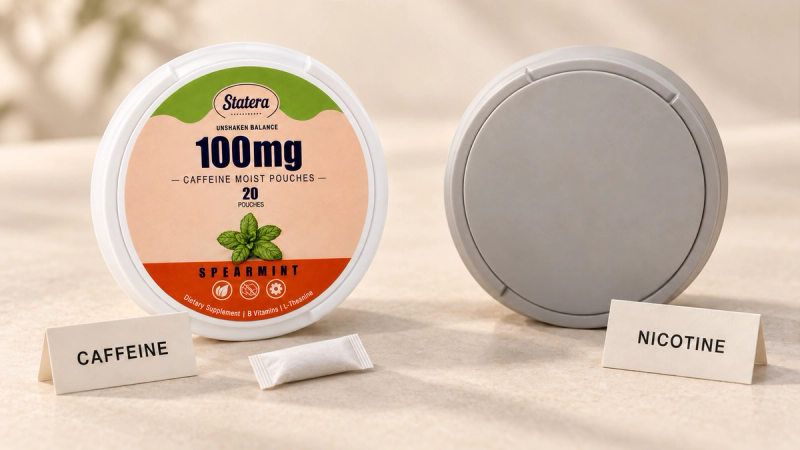
Caffeine Pouches vs Nicotine Pouches: Same Format, Very Different Product
Caffeine and nicotine pouches can look alike. Compare their active ingredients, read mg labels correctly, and see what zero-nicotine STATERA 100mg actually means.