
Portable Caffeine on Jobsites: Safety Comes First
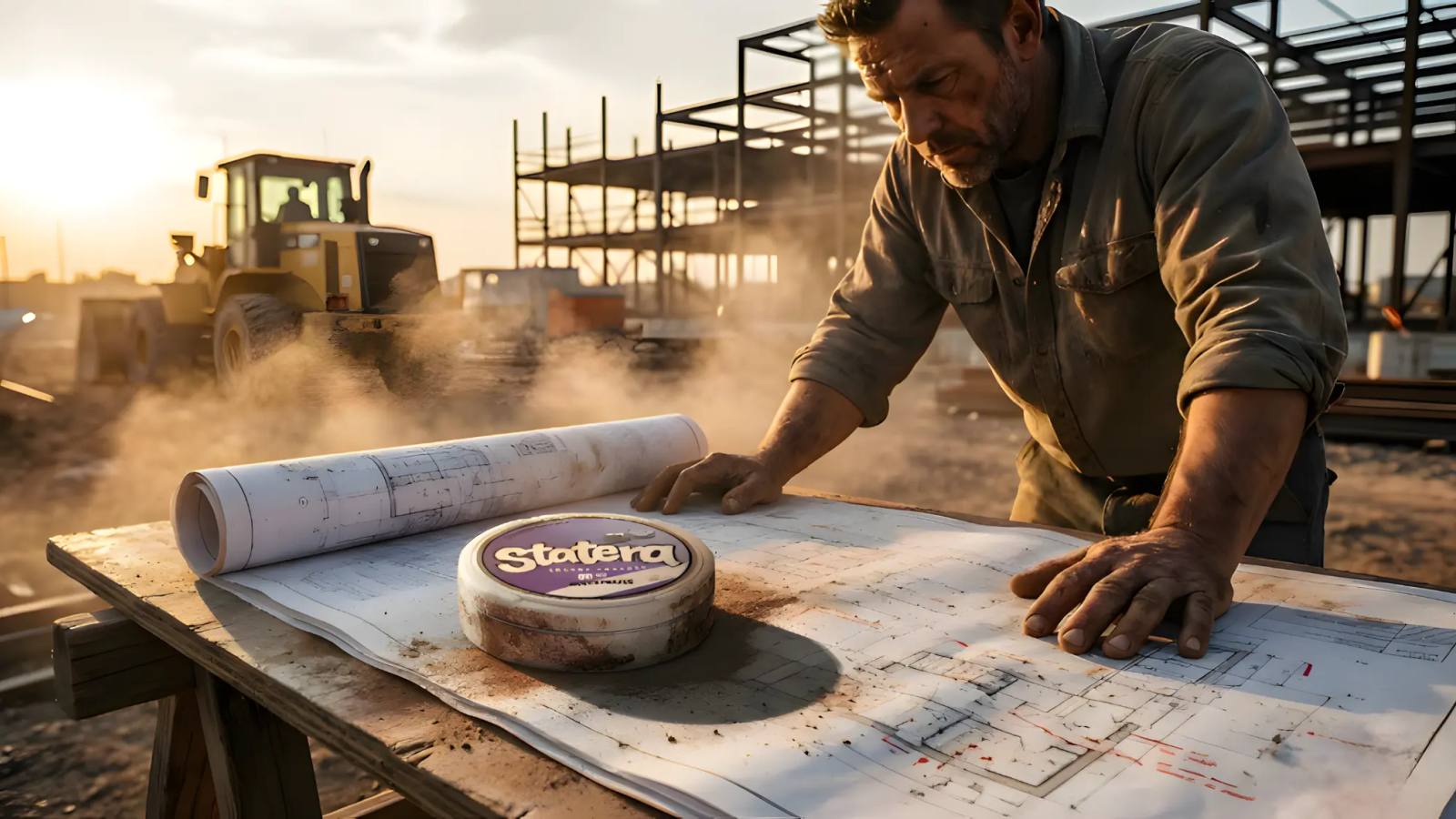
Key Takeaways
- Caffeine cannot make hazardous construction work safe.
- Fatigue controls, hydration, heat planning, breaks, and PPE take priority.
- Workers must follow site rules and stop when fatigue creates danger.
Quick Answer
A portable caffeine product may fit an adult worker’s personal routine, but it cannot make a hazardous task safe. Employers and workers must use fatigue controls, safe schedules, breaks, hydration, heat plans, supervision, PPE, and stop-work procedures.
Workers unfamiliar with the product can read the adult caffeine pouch beginner’s guide outside active work and according to site policy.
Treat Fatigue as a Work Risk
OSHA identifies long hours and irregular shifts as fatigue concerns and emphasizes education, sleep, diet, exercise, stress management, and workplace controls. Construction can add heat, noise, physical demand, moving equipment, heights, driving, and changing conditions.
If fatigue affects attention, reaction, or judgment, the correct response is not simply more caffeine. Follow the site process, tell the appropriate supervisor, pause unsafe work, and arrange safe transport when needed.
Plan Caffeine Around the Whole Shift
Count coffee, tea, drinks, supplements, medication, gum, and pouches. Consider individual sensitivity, time awake, planned sleep, heat, meals, hydration, and the next drive. Caffeine can remain in the body for hours.
Use the 80mg vs 120mg comparison to understand the serving difference. The larger amount is not automatically appropriate for a longer or harder shift.
Follow Site Hygiene and Disposal Rules
Use products only in permitted areas and during appropriate breaks. Keep clean and used pouches away from tools, materials, vehicles, shared surfaces, children, pets, and wildlife. Wash or clean hands as required before returning to work.
The packaging explanation in the 20-count can guide describes format, not jobsite authorization. Site policy controls.
Stop Marketing Safety Through Caffeine
Do not describe 120mg as a safety tool or a way to push through exhaustion. The 120mg experience guide explains why response varies and why a labeled amount is not a performance promise.
Product copy must not imply that caffeine prevents injuries, replaces sleep, eliminates errors, or allows someone to drive or operate equipment while fatigued.
Frequently Asked Questions
Can caffeine make construction work safer?
No. Safety depends on hazard controls, training, supervision, scheduling, breaks, hydration, PPE, and stopping work when conditions are unsafe.
Can caffeine replace a fatigue break?
No. Follow workplace fatigue and break procedures. Caffeine does not provide the recovery that rest and sleep provide.
Are caffeine pouches allowed on every jobsite?
No universal rule applies. Follow employer, site, hygiene, food, disposal, and safety policies.
Sources and Further Reading
STATERA Editorial Team
—Content StrategyThe STATERA Editorial Team brings you insights on energy innovation, market trends, and wellness strategies for modern retailers and consumers.
Related Articles

Caffeine During Ramadan: What Adults Should Consider
A respectful adult guide to caffeine planning during Ramadan that prioritizes hydration, sleep, gradual habit changes, medical advice, and local religious guidance.

Caffeine Planning for Adult Gaming Sessions
An adult-focused guide to caffeine labels, timing, sleep, breaks, hydration, session length, and responsible retail communication for gaming without performance promises.
Caffeine Pouches for Convenience Stores: Shelf Tradeoffs
A convenience-store buying guide to caffeine pouch shelf space, refrigeration, assortment, staff education, pricing, inventory tests, and responsible adult placement.