
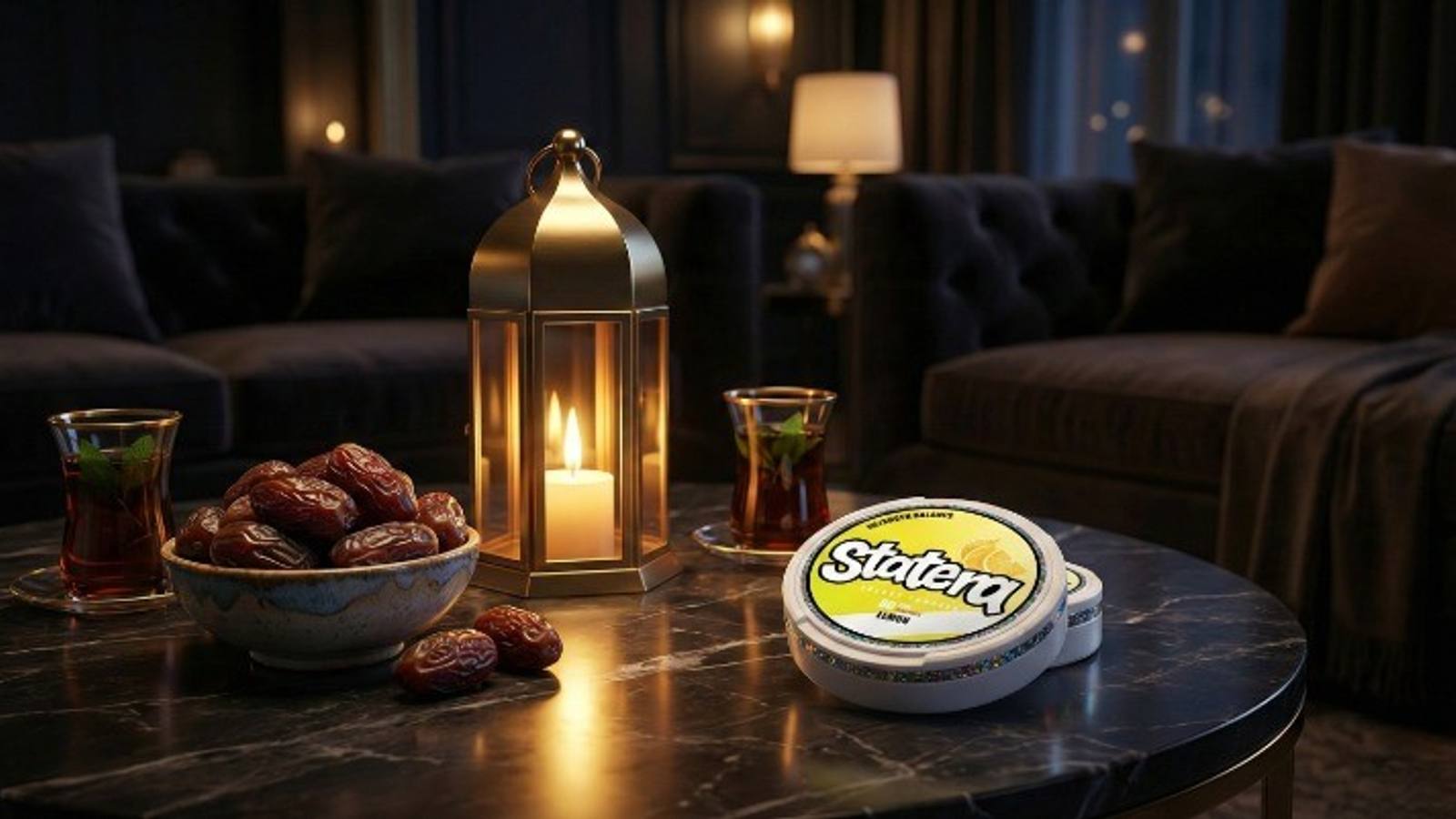
Caffeine During Ramadan: What Adults Should Consider
Key Takeaways
- Fasting, health, and religious circumstances vary by person and community.
- Hydration, sleep, food, and gradual caffeine planning come before product promotion.
- STATERA does not claim halal certification without current supporting documentation.
Quick Answer
Adults who observe Ramadan may change caffeine timing because daytime fasting can restrict food and drink. A responsible plan prioritizes hydration during non-fasting hours, sleep, balanced meals, gradual habit changes, individual medical advice, and qualified local religious guidance.
Caffeine pouches should not be marketed as a way to overcome fasting fatigue or improve worship. Adults new to the format can review the caffeine pouch beginner’s guide for product facts only.
Plan Before the Fasting Period Begins
A sudden change in coffee, tea, energy drink, or other caffeine habits may be uncomfortable for some people. Guidance from health services encourages gradual planning and attention to hydration and balanced food during non-fasting hours.
People with diabetes, pregnancy, medication, chronic conditions, eating concerns, or other medical circumstances should seek individual professional advice. Religious questions should be directed to a trusted local authority who understands the product and the person’s practice.
Count Caffeine From Every Source
Coffee, tea, cola, energy drinks, supplements, medication, chocolate, gum, and pouches can all contribute caffeine. Changing the format does not remove caffeine from the total.
Use the 80mg vs 120mg caffeine pouch comparison to understand labeled amounts. It is not a recommendation to use caffeine during Ramadan.
Protect Hydration and Sleep
A caffeine pouch does not provide water or nutrition. Plan fluids and balanced meals during the permitted hours according to individual health and local guidance. Avoid letting caffeine use reduce the sleep available before work, driving, or other responsibilities.
Adults considering a 120mg serving can read what 120mg of caffeine may feel like, then decide with the product label and personal advice.
Avoid Certification and Worship Claims
Do not call a product halal, fasting-approved, or suitable for a particular religious practice without current evidence and qualified guidance. Ingredient review, certification, and rules about use during fasting are separate questions.
STATERA content should never suggest that caffeine improves prayer, worship, spiritual performance, or the ability to ignore unsafe fatigue. The product is an adult caffeine item, not religious or medical advice.
Frequently Asked Questions
Can a caffeine pouch be used while fasting?
Religious rulings and personal circumstances vary. Ask a qualified local religious authority and provide the full product information needed for an informed answer.
Are STATERA caffeine pouches halal certified?
Do not assume certification. A halal claim should be made only when current, product-specific supporting documentation is available.
Can caffeine replace sleep during Ramadan?
No. Caffeine does not provide the recovery or judgment that sleep provides and should not be used to make an unsafe task continue.
Sources and Further Reading
STATERA Editorial Team
—Content StrategyThe STATERA Editorial Team brings you insights on energy innovation, market trends, and wellness strategies for modern retailers and consumers.
Related Articles
Caffeine Pouches for Adult Gym Customers: A Retail Guide
A responsible gym-retail guide to caffeine pouch labels, strength, adult positioning, timing, facility policy, staff boundaries, and evidence-aware merchandising.
Portable Caffeine on Jobsites: Safety Comes First
A safety-first guide for adult jobsite caffeine use that prioritizes fatigue controls, hydration, heat, breaks, PPE, workplace policy, and safe commuting.
Caffeine Planning for Adult Gaming Sessions
An adult-focused guide to caffeine labels, timing, sleep, breaks, hydration, session length, and responsible retail communication for gaming without performance promises.