
Why Pair Caffeine With L-Theanine?
Key Takeaways
- Caffeine is a stimulant; L-theanine is an amino acid.
- Researchers often study the ingredients together because they can be compared alone, in combination and against placebo.
- Some trials reported differences in attention-related tasks, but results depend on dose, participants and test design.
- Ingredient research should not be converted into guaranteed claims about a finished caffeine pouch.
Quick Answer
Caffeine and L-theanine are paired because they are different ingredients that researchers have repeatedly studied together. Caffeine remains the stimulant. L-theanine is an amino acid associated with tea. Some controlled trials reported differences in specific attention tasks when the ingredients were combined, but the findings are not universal and do not prove that every finished product produces the same experience.
Caffeine is familiar.
L-theanine is the ingredient that usually makes people stop and read the label twice.
That pause is useful. The two ingredients should not be blended into one vague promise. They have different identities, different research histories and different numbers on a product label.
Two Ingredients, Different Roles
Caffeine is a stimulant. The amount in a caffeine pouch should be stated in milligrams per pouch, and that number contributes to the adult’s total caffeine intake from every source.
L-theanine is an amino acid associated with tea. It is not another form of caffeine, and its amount should not be added to the caffeine number.
That sounds obvious when the two definitions are placed side by side. On a crowded product label, the distinction is easier to miss.
| Ingredient | Ingredient type | Is it caffeine? | What to check |
|---|---|---|---|
| Caffeine | Stimulant | Yes | Milligrams per pouch |
| L-theanine | Amino acid | No | Whether it is listed and its amount |
| Vitamin B6 | Vitamin | No | Form, amount and applicable label information |
| Flavor system | Sensory component | No | Product-specific ingredient list |
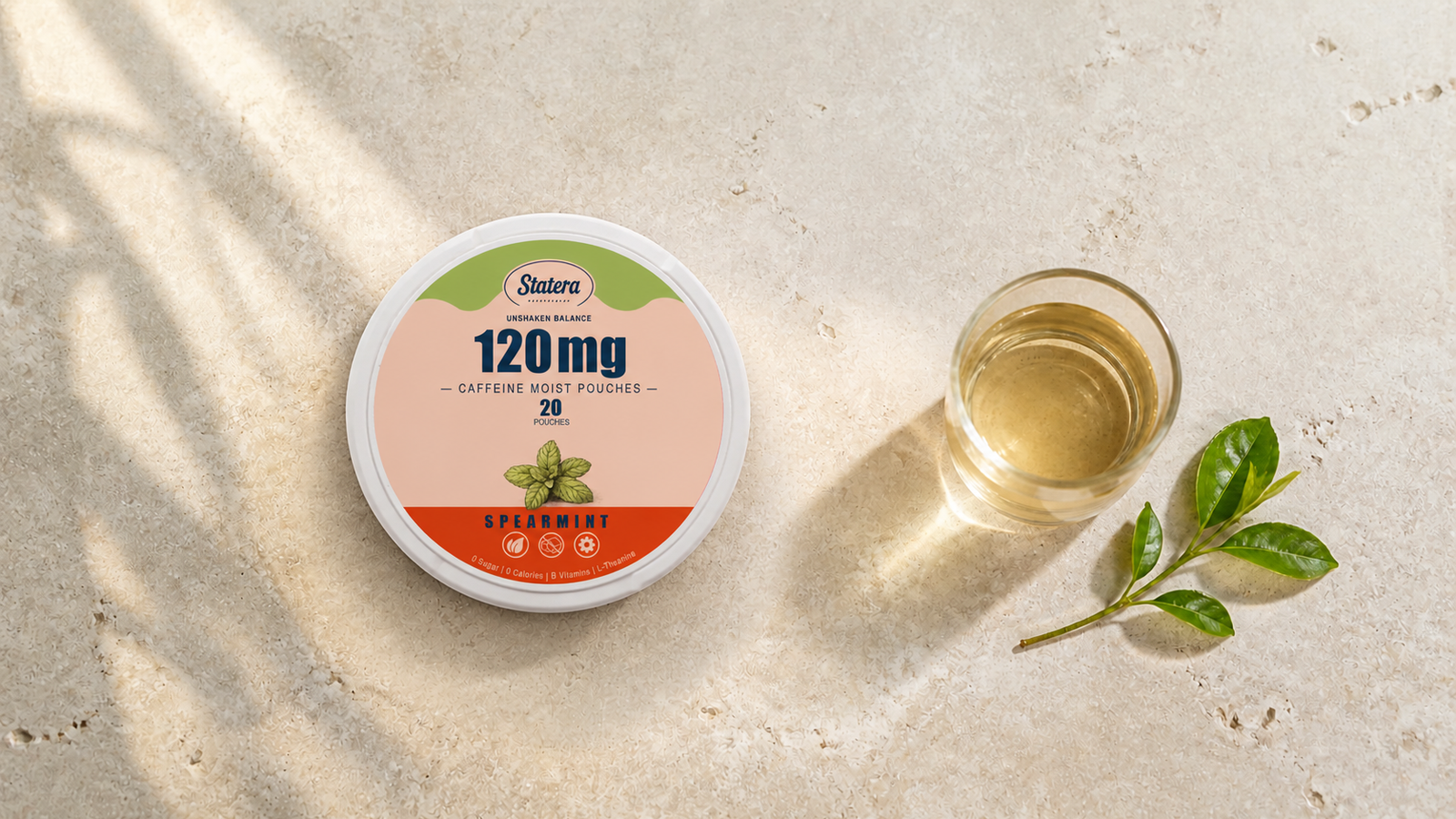
The STATERA formula guide explains how these parts fit into a caffeine pouch without assuming that every strength uses an identical formula.
Why Researchers Study Them Together
A combination study can compare several conditions: caffeine alone, L-theanine alone, the two ingredients together and a placebo.
That structure lets researchers ask a narrower question than “Does this product improve focus?” They can measure reaction time, accuracy, task switching, distraction, mood ratings or other defined outcomes under controlled conditions.
One randomized crossover study compared 50mg of caffeine with and without 100mg of L-theanine in 27 participants. The combination was associated with differences in attention switching and susceptibility to distracting information at specific test times. That was a small, short-term experiment—not a universal formula rule. The study is available through PubMed.
Another randomized, placebo-controlled crossover study used 97mg of L-theanine with 40mg of caffeine. It reported a difference in a task-switching measure, while subjective alertness and intersensory attention did not improve significantly. That mixed result matters. The complete abstract is also available through PubMed.
The combination can look promising in one task and unremarkable in another.
What the Wider Evidence Shows
A 2025 systematic review and meta-analysis examined randomized controlled trials involving tea, L-theanine, caffeine and combinations of L-theanine with caffeine. Fifty trials were included in the review, with 15 contributing to at least one meta-analysis.
The authors reported small-to-moderate differences in some cognition and mood outcomes at particular time points. They also identified variation across outcomes and study designs. The review does not establish a single guaranteed effect that applies to every dose, participant or product. Read the systematic review record on PubMed.
More recent research continues to show why context matters. A randomized crossover study in competitive athletes reported inconsistent effects across physical and cognitive measures, challenging the idea that combining the ingredients always creates a clear advantage. See the 2026 study record.
This is not a tidy “ingredient A plus ingredient B equals result C” story.
Research rarely is.
What the Research Tells Us
The studies discussed here used specific ingredient amounts, formats, participant groups and test conditions. They help explain why these ingredients are studied together, but they should not be treated as evidence that every finished formula produces an identical result for every person.
What Pairing Does Not Mean
Adding L-theanine does not remove the caffeine.
It does not make caffeine intake unlimited. It does not guarantee the absence of jitters, sleep disruption or other unwanted reactions. It also does not prove that the finished formula acts at a particular speed.
The caffeine amount still belongs in the adult’s total for the day. Coffee, tea, energy drinks, chocolate, gum, some medicines and other caffeinated products can all contribute.
The U.S. FDA’s consumer caffeine guidance cites 400mg per day as an amount not generally associated with negative effects for most adults, while stressing that sensitivity varies. It is a general reference point, not a personal target.
The larger principle applies internationally: check the product, consider every caffeine source and follow the applicable local label.
What to Check on a STATERA Label
Selected STATERA formulas list caffeine and L-theanine. That product fact can be stated clearly without turning ingredient studies into a guarantee.
Check:
- Caffeine per pouch
- Whether L-theanine is listed
- The labeled L-theanine amount, if provided
- Vitamin B6 information, where applicable
- Directions and warnings
- Flavor and pouch count
- Caffeine already consumed from other sources
Do not borrow a study dose and assume it matches the pouch in your hand. Do not borrow the ingredient information from a different STATERA strength either.
Use the caffeine pouch label guide for a complete label check. Adults comparing currently listed strengths can also review the strength guide.
Current products are shown in the STATERA caffeine pouch collection.
Frequently Asked Questions
Is L-theanine a stimulant?
No. L-theanine is an amino acid. Caffeine remains the stimulant in the pairing.
Does L-theanine reduce the amount of caffeine?
No. The caffeine amount on the label remains the caffeine amount per pouch.
Does caffeine with L-theanine guarantee calm focus?
No. That wording converts mixed, dose-specific research into a finished-product guarantee. Individual responses and study findings vary.
Do all studies find the same benefit?
No. Results differ by task, ingredient amount, timing, participant group and study design. Some outcomes show differences while others do not.
Does every STATERA pouch contain the same formula?
Do not assume so. Check the exact product label because strengths and future formulations can differ.
STATERA products are intended for adults only and contain caffeine. This article is provided for general informational purposes and does not replace professional medical advice. Individual responses to caffeine vary. Review the product label and consider caffeine from all sources before use.
STATERA Editorial Team
—Content StrategyThe STATERA Editorial Team brings you insights on energy innovation, market trends, and wellness strategies for modern retailers and consumers.
Related Articles
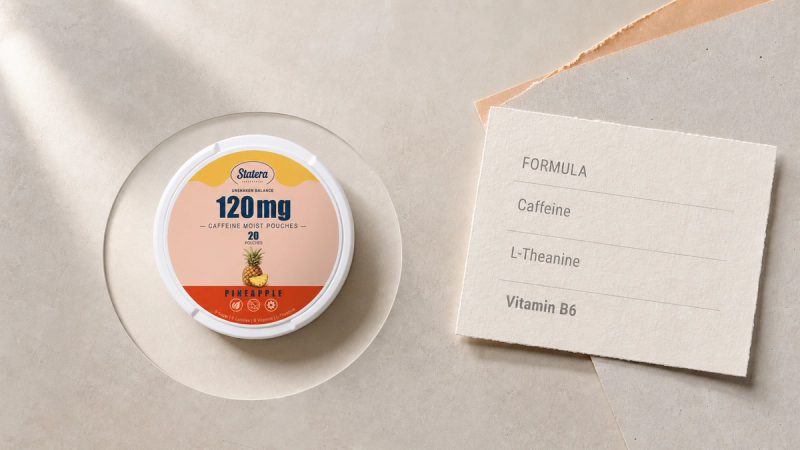
Why Is Vitamin B6 Used in Functional Energy Formulas?
Vitamin B6 appears in functional energy formulas for a nutritional reason, not as another stimulant. Learn what that role means and what the label should show.
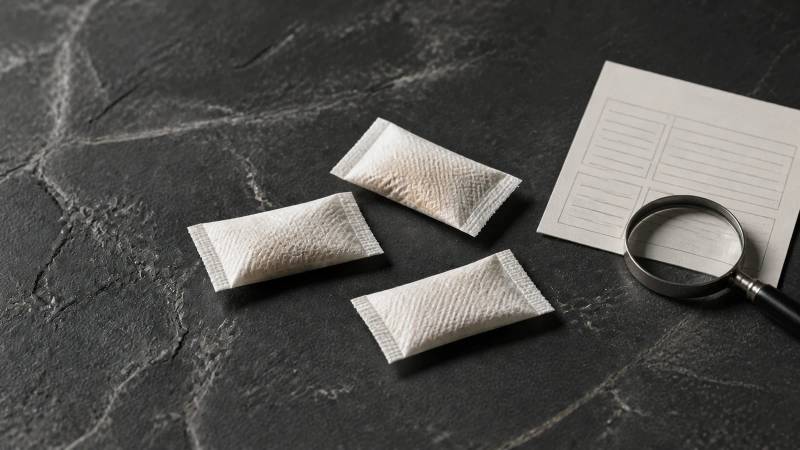
What's Inside a STATERA Caffeine Pouch?
A clear look at the STATERA caffeine pouch formula: caffeine, L-theanine, vitamin B6, flavor, pouch format and the facts each label should confirm.
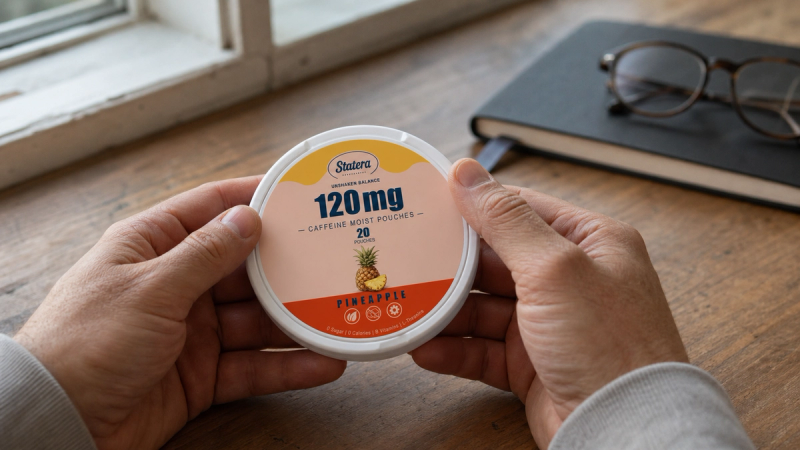
How to Read a Caffeine Pouch Label
Learn how to check caffeine per pouch, pouch count, ingredients, directions, warnings, storage, lot and expiry details before using a caffeine pouch.