
80mg vs 100mg vs 120mg Caffeine Pouches: How to Read the New STATERA Range
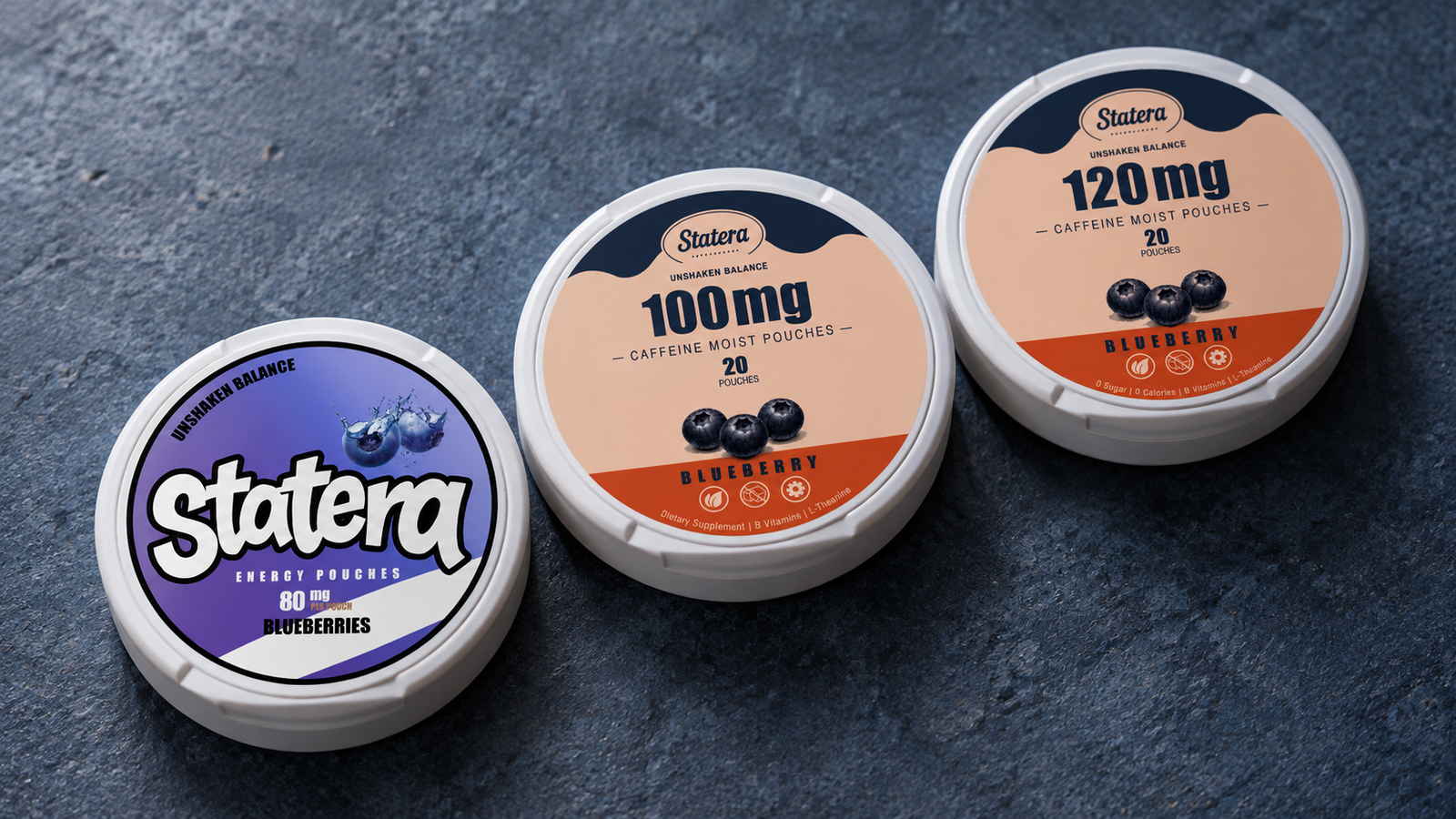
Three numbers. Not three quality levels. STATERA's 80mg, 100mg and 120mg caffeine pouches are labeled by caffeine per pouch. The middle number is 20mg above 80mg and 20mg below 120mg. Those figures describe the amount in a single pouch; they do not label people as beginners or experts, and they do not say which product is “best.”
The addition of 100mg makes the lineup easier to draw and slightly harder to skim. A shopper can now see a step in either direction from the center. But a neat sequence of numbers is not a recommendation to move upward through it.
Read the unit before the number
“100mg” on a caffeine pouch can means 100 milligrams of caffeine per pouch on the current label. It does not mean per can, per day or per flavor. The STATERA label guide walks through the other information worth checking, including directions, warnings and pouch count.
Here is the current range at a glance:
| STATERA strength | Caffeine per pouch | Difference from 100mg |
|---|---|---|
| 80mg | 80mg | 20mg less |
| 100mg | 100mg | Reference point |
| 120mg | 120mg | 20mg more |
Across the endpoints, 120mg contains 40mg more caffeine per pouch than 80mg. Both adjacent steps are 20mg, but their relative percentages depend on the starting point: 100mg is 25% above 80mg, while 120mg is 20% above 100mg. The arithmetic is useful. It is still only one part of a real day's caffeine intake.
One Blueberry flavor, three labels
The product pages make the difference concrete. STATERA currently lists 80mg Blueberry, 100mg Blueberry and 120mg Blueberry. The flavor name stays in the family; the large milligram number changes. The 80mg can also uses an older visual design, so do not let packaging style stand in for the strength line.
Other details still need a product-by-product check. The pages, labels and packaging may differ in count, directions or formulation. A shared flavor word does not prove every ingredient or claim is identical. Read the exact can in hand, especially if you are comparing an older 80mg package with a newer 100mg or 120mg one.
The 100mg launch article explains where the additional option entered the lineup. This page has a different job: to make all three current numbers legible in one place.
Why the center is not a default
It is tempting to call 100mg the “balanced” choice simply because it sits in the middle. That would be a judgment about a person from the geometry of a table. The center of a range is not automatically a suitable caffeine amount for every adult.
Some readers may already have caffeine from coffee, tea, a pre-workout product or an energy drink. Others may be more sensitive to caffeine or have reasons to avoid it. The FDA's consumer guidance says individual response varies and caffeine from all sources should be considered. A labeled pouch amount makes one piece of that calculation visible. It does not settle the full calculation.
If the question is specifically the 20mg gap between the two newer cans, the 100mg vs 120mg comparison stays close to those two labels. If you want to put the center number beside coffee and other drinks, read Is 100mg of Caffeine a Lot? The older 80mg vs 120mg article compares the original endpoints.
Use the range as a map, not a ladder
Start with the current label's caffeine-per-pouch amount. Add caffeine from anything else you expect to use that day. Then check the exact directions and your own circumstances. The strength guide goes deeper into that decision; this three-number page is the map that makes the newer lineup easier to read.
80mg, 100mg and 120mg are clear labels for three amounts. They are not grades of quality, guarantees of effect or steps a person is supposed to climb. Sometimes the most useful comparison is simply reading the number slowly enough to notice what it actually measures.
STATERA caffeine pouches are intended for adults only. They are not recommended for children, pregnant or nursing women, or people sensitive to caffeine. Follow the exact label and consider caffeine from all sources.
STATERA Editorial Team
—Content StrategyThe STATERA Editorial Team brings you insights on energy innovation, market trends, and wellness strategies for modern retailers and consumers.
Related Articles
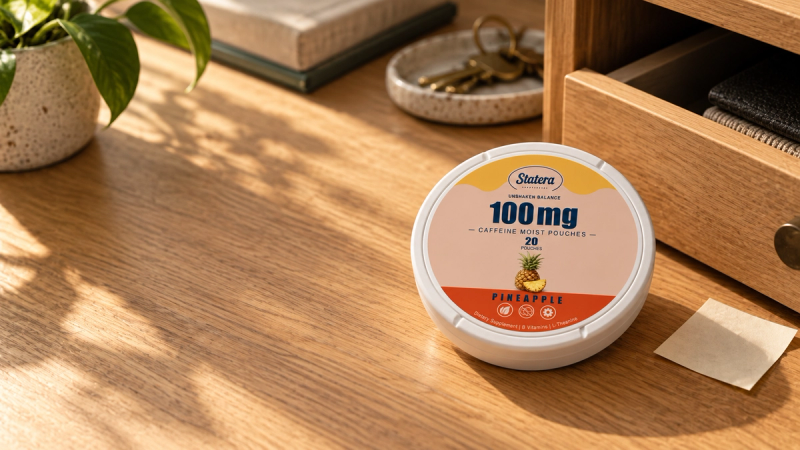
How to Store Caffeine Pouches After Opening
After opening a caffeine pouch can, keep it closed, cool and dry in its original container. Check the label, lot and expiry, and store it securely away from children and pets.
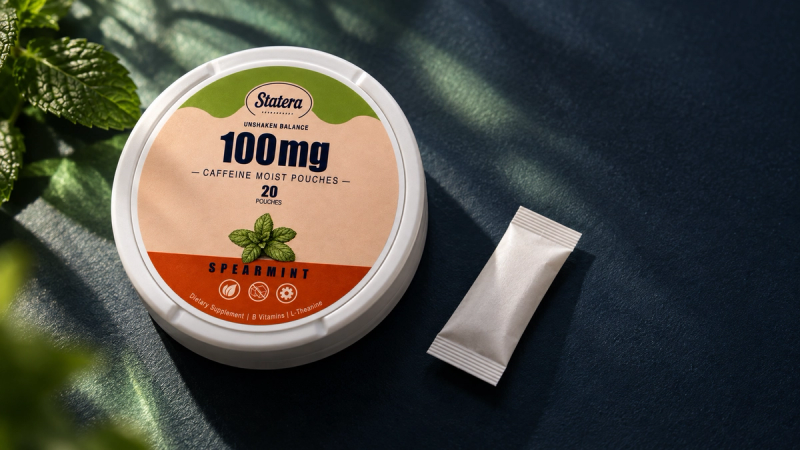
Why Does a Caffeine Pouch Tingle?
A caffeine pouch can feel cool or tingly for several reasons. Learn how flavor and gum contact differ from caffeine absorption—and when to remove the pouch.
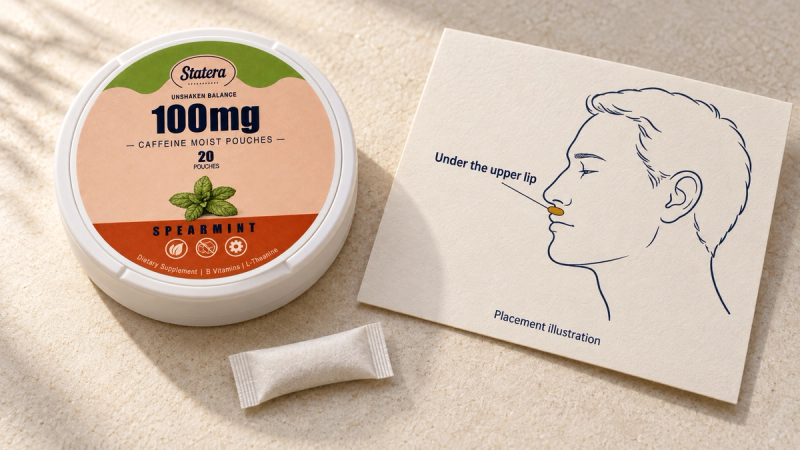
Can You Swallow Saliva While Using a Caffeine Pouch?
Normal saliva and a whole caffeine pouch are not the same thing. Learn the distinction, how to handle damaged pouches, and when to seek help after accidental swallowing.