
The Pouch Is a Format, Not an Ingredient List

Two white pouches can look almost identical on a table.
One might contain caffeine. Another might belong to a completely different product category. The shape arrives first. The formula is what tells you what the product actually is.
A Familiar Shape Can Hide a Different Product
Consumers learn new categories through visual shortcuts. A round can, a slim pouch, a familiar opening motion. Those cues help someone recognize the format before they have read a single ingredient.
That is useful for navigation. It is weak as a product definition.
“Oral pouch” tells you that the product uses a pouch format and should be used according to its own directions. It does not tell you the active ingredient, caffeine amount, flavor system, market classification, or the rest of the formula.
The pouch is the container for the idea. It is not the idea itself.
A can offers an easy analogy. The shape of a can does not tell you whether it holds sparkling water, coffee, or something else. The package format creates familiarity; the contents create the category. Oral pouches deserve the same basic discipline.
Formula, Not Silhouette, Defines the Conversation
A caffeine pouch should be discussed as a caffeine product. A pouch with another active ingredient belongs to a different conversation, even if its material and dimensions look familiar.
Caffeine, vitamin B6, L-theanine, and flavor each belong to a different part of the formula. STATERA already explains those ingredient categories in more focused guides:
- The formula overview explains the STATERA ingredient categories.
- The vitamin B6 article stays with the vitamin question.
- The caffeine and L-theanine article handles the research pairing.
This page has a different job. It explains why a shared format does not create a shared formula.
Why the Distinction Matters in an Emerging Category
When a product format is new, people often borrow assumptions from the closest familiar object. That can lead to two opposite mistakes: treating every pouch as the same kind of product, or assuming a familiar-looking pouch will follow another brand’s ingredients and directions.
Neither shortcut survives a label check.
For retailers and consumers, the distinction also changes the first question. Instead of asking “What kind of pouch is this shape?”, ask “What product is this formula?” That small reversal moves the conversation from appearance to evidence.
The FDA’s general overview of food ingredient types is a useful reminder that ingredients have names and functions of their own. The package must still be read as a complete, product-specific system. For caffeine, the FDA also advises consumers to consider caffeine from all sources.
Those sources do not turn the silhouette of a pouch into a legal or scientific category. They point back to the same practical habit: identify the actual product before making assumptions about it.
STATERA Is One Example, Not the Definition
STATERA uses the oral pouch format for caffeine products. Current brand materials identify caffeine, L-theanine, vitamin B6, flavor, and a pouch format within the product conversation.
That makes STATERA a concrete example of what the format can carry. It does not make the STATERA formula a universal definition of every oral pouch.
Adults looking at the current range can use the STATERA 120mg collection for product-specific information and the label guide for the full package checklist.
The category becomes clearer when the can, the pouch, and the formula are allowed to be three different things.
STATERA products are intended for adults only and contain caffeine. This article is provided for general informational purposes and does not replace professional medical advice. Review the product label and consider caffeine from all sources before use.
STATERA Editorial Team
—Content StrategyThe STATERA Editorial Team brings you insights on energy innovation, market trends, and wellness strategies for modern retailers and consumers.
Related Articles

Functional Pouches vs Gummies, Capsules, Powders and Drinks
Functional formats can contain similar ingredients while asking the user to chew, swallow, mix, drink or follow pouch-specific directions. Here is the practical difference.
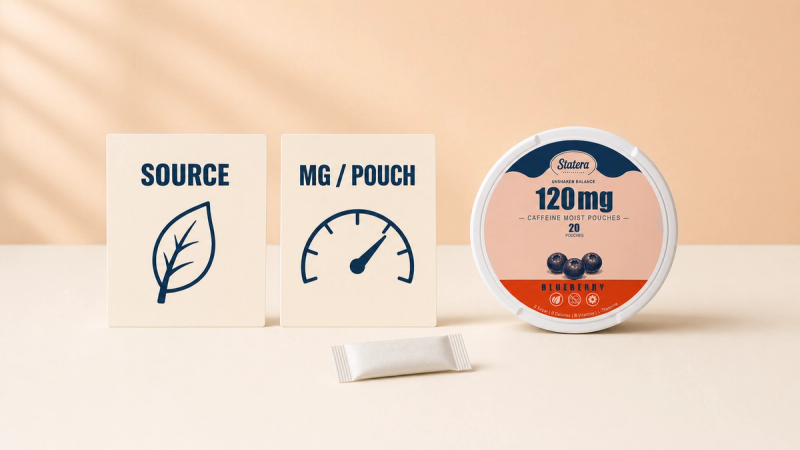
Natural Caffeine in Pouches: Reading Beyond the Front Label
“Natural caffeine” describes source language, not caffeine strength. Learn why source and dose are separate questions and which number still guides comparison.
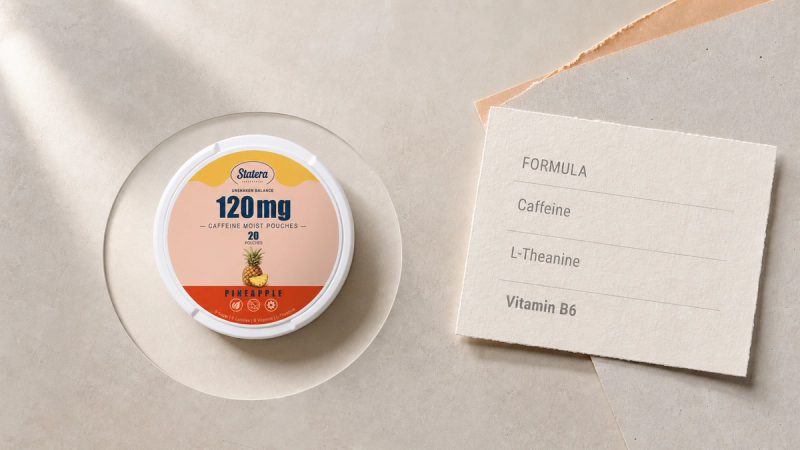
Why Is Vitamin B6 Used in Functional Energy Formulas?
Vitamin B6 appears in functional energy formulas for a nutritional reason, not as another stimulant. Learn what that role means and what the label should show.