
Natural Caffeine in Pouches: Reading Beyond the Front Label
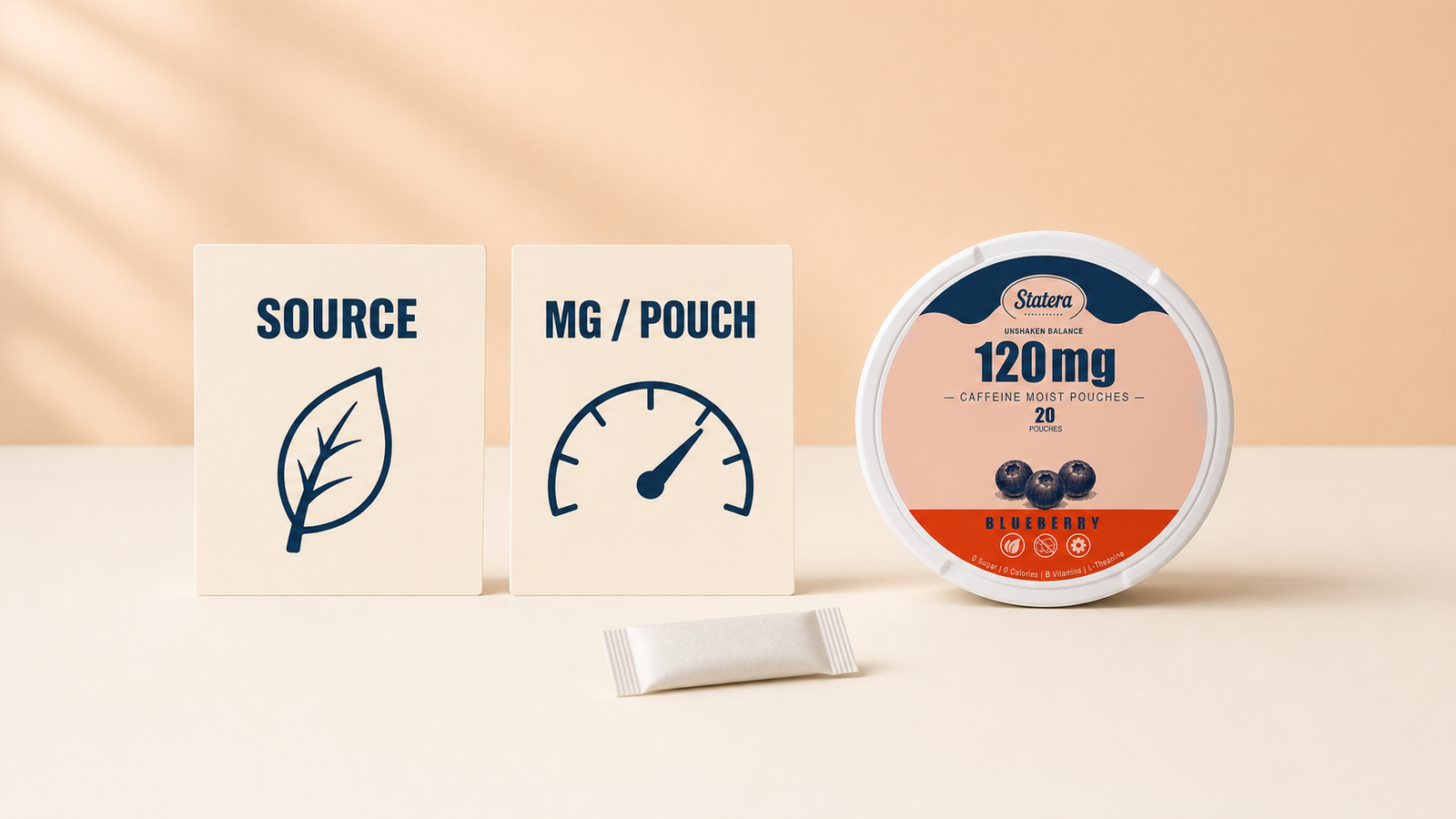
“Natural” is a source word. Milligrams are a dose.
Put them in the same mental box and a caffeine label becomes harder, not easier, to read. A botanical origin cannot tell you whether one pouch contains 40mg, 80mg, 120mg, or another amount.
Natural Describes a Source Claim, Not a Strength
People often read “natural caffeine” as a complete product judgment. It sounds as if the word might also describe intensity, purity, or how the caffeine will feel.
It carries only part of that information.
In U.S. food-label context, the FDA says it has not established a formal regulatory definition of “natural.” Its longstanding policy focuses on whether artificial or synthetic material has been included where it would not normally be expected, and the agency explicitly notes that the policy was not intended to describe nutritional or other health benefits. The FDA’s natural-labeling overview is useful precisely because it keeps the word narrow.
Keep that context narrow. If a package names a caffeine source, read the source it actually names. If the source is absent, leave it unclaimed.
The Number on the Label Still Carries the Dose
The amount per pouch is a separate piece of information. It tells you how much caffeine the labeled serving contains. The source description does not.
The FDA’s current consumer guidance on caffeine makes another useful distinction: the body handles naturally occurring caffeine in coffee or tea and caffeine added to a product in the same way. All caffeine sources still belong in the same total.
For a pouch comparison, use a clean order. Find caffeine per pouch first. Identify a named source only when the product confirms it. Then count that caffeine with coffee, tea, energy drinks, supplements, and other sources used that day.
The complete label-reading guide covers pouch count, directions, storage, warnings, and date information. Repeating that entire checklist here would blur this article’s one useful distinction.
Source and Dose Can Change Independently
Two products can describe similar caffeine sources and contain different amounts per pouch. Two products can also state the same caffeine amount while using different ingredient sourcing language.
That is why “natural” cannot replace a strength comparison. Adults comparing the current STATERA range should use the labeled caffeine amount and the caffeine pouch strength guide, then return to the exact package for product-specific details.
Current STATERA product information does not establish a single botanical caffeine source across every product. Tea, coffee, guarana, or another plant should not be assumed when the label does not name one.
This restraint is part of the article’s value. A source story may sound more vivid, but an invented detail would make the page less useful. The better editorial choice is to separate what the label confirms from what the reader may associate with the word.
What the Word Is Good For
Source information can still be useful. It may help a reader understand where an ingredient came from and what question to ask the manufacturer.
It just cannot do the work of the rest of the label.
The STATERA formula overview explains how caffeine, L-theanine, vitamin B6, flavor, and the pouch format sit in different parts of the product conversation. The current 120mg collection shows the product range. Neither page turns a source adjective into a dose.
The number and the source can sit on the same package. They should remain two separate thoughts.
For the complete package checklist, use the label-reading guide. For caffeine amount, use the strength guide. Here, source and dose remain the only question.
STATERA products are intended for adults only and contain caffeine. This article is provided for general informational purposes and does not replace professional medical advice. Review the product label and consider caffeine from all sources before use.
STATERA Editorial Team
—Content StrategyThe STATERA Editorial Team brings you insights on energy innovation, market trends, and wellness strategies for modern retailers and consumers.
Related Articles
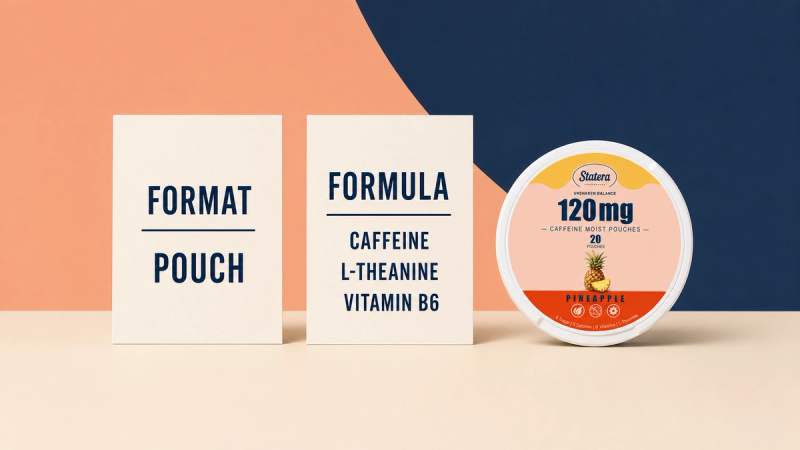
The Pouch Is a Format, Not an Ingredient List
Two oral pouches can look almost identical and contain very different formulas. Learn why the pouch describes a format while the ingredient list defines the product.
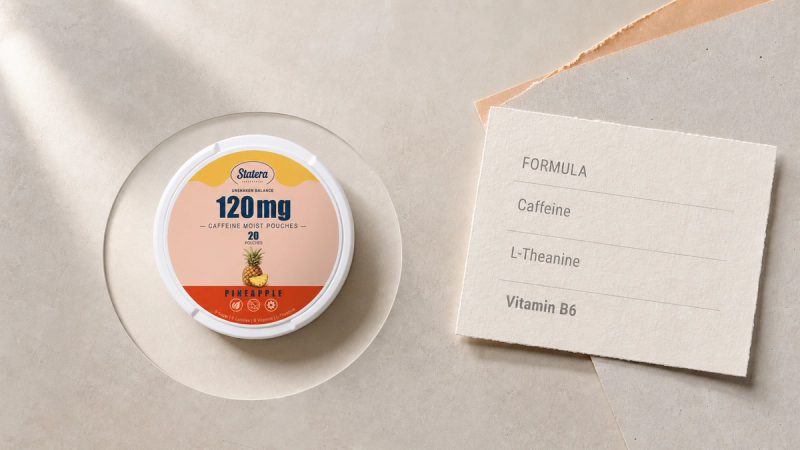
Why Is Vitamin B6 Used in Functional Energy Formulas?
Vitamin B6 appears in functional energy formulas for a nutritional reason, not as another stimulant. Learn what that role means and what the label should show.
Why Pair Caffeine With L-Theanine?
Caffeine and L-theanine are different ingredients often studied together. Here is what researchers measured, what they found and what labels should confirm.